We are taught in genealogy lectures to examine our ancestors’ friends, associates and neighbors because often people associated with relatives and/or moved to different locations with of associates who were not relatives. In pondering this concept and comparing it to my current situation, I am struck by how different our lives and connections are now than they were for our ancestors.
No one moved with us. It was my husband and myself, our two kids and four pets. Our nearest relatives now live over 3 hours away, relatives we are getting reacquainted with but that we weren’t really close to prior to moving. The only people we knew in Austin were acquaintances, our realtor, and I happened to know of a few genealogists in the area as well. My husband doesn’t have an actual office yet at the building here because the project is so brand new they aren’t done building it and organizing all of the employees on the project yet, so no real work friends for him yet. The point being that if you tried to find a “FAN Club” reason for our move you couldn’t.¹
I imagine to future researchers the migration patterns of today look a lot different, more confusing perhaps than those of our ancestors. Generally speaking, the patterns of US migration generally move from the east coast to the west. (I know this is a big generalization and I have several exceptions in my research.) Also, generally you can locate groups of people who migrated together. I’m sure it happens today, but I would guess not as much. We are a lot more independent, less support is needed from our family and neighbors for survival. From grocery stores to gas stations, indoor plumbing to wi-fi, we generally have everything we need or can find it for ourselves.
Does it feel more isolated? Or maybe it’s just me still adapting to a move and still finding my new network of friends, associates and neighbors. Don’t worry. We are adapting. My next posts will be on how we are working to build our new FAN club.
Often in my research, I like to think about why my ancestors did what they did. I am especially curious when I find that they moved from one state to another. Sometimes it seems like there are “loners” who go out on their own. Those I generally label as “adventurous” people who wanted to go see the country rather than stay home and tend to the family farm. Sometimes entire groups of extended family moved together, or in a chain, one moved first and then others followed. I usually guess that those folks moved because of opportunity or a better life in a new location.
The truth is, unless we have a diary or letters, maybe a newspaper article, from/about our ancestors we can never really know. By studying the social history of the time and place, we might be able to make a good educated guess. Usually I ponder on my own life choices to try to identify why my ancestor may have done something, like moving to a new state. In our case, my husband got a new job, a better paying and much more interesting job. Also, I consider myself adventurous and I would often wonder what it would be like to live in a different place. Usually it was while we were traveling through beautiful locations that seemed peaceful. Usually we had many reasons to stay put, and not enough reason to move.
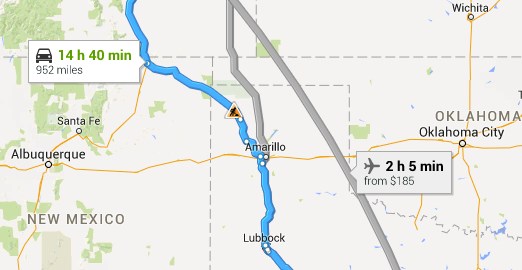
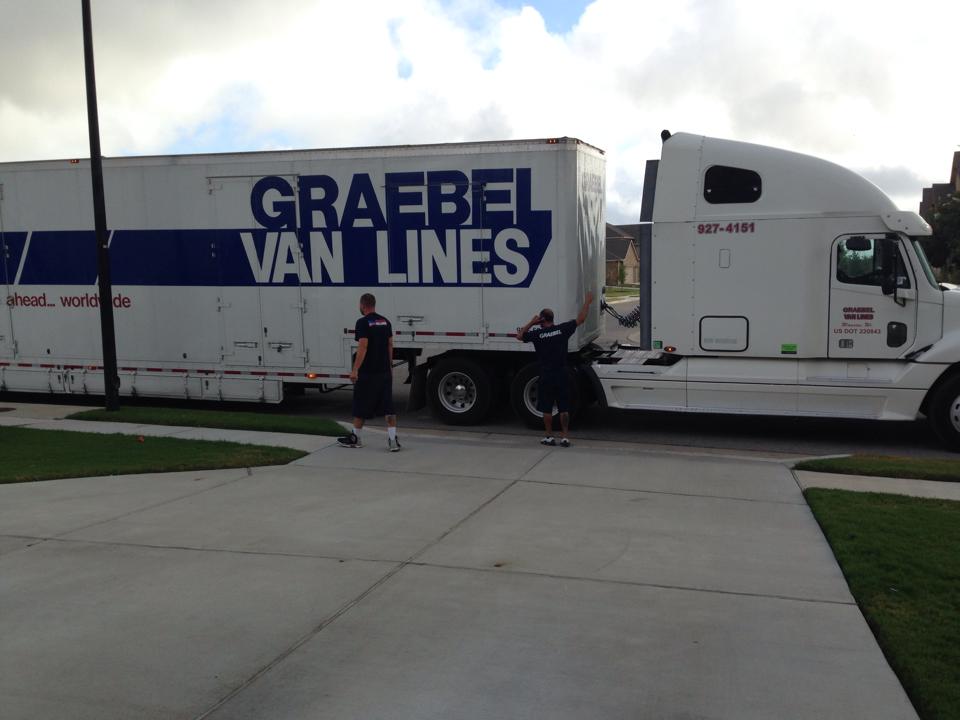
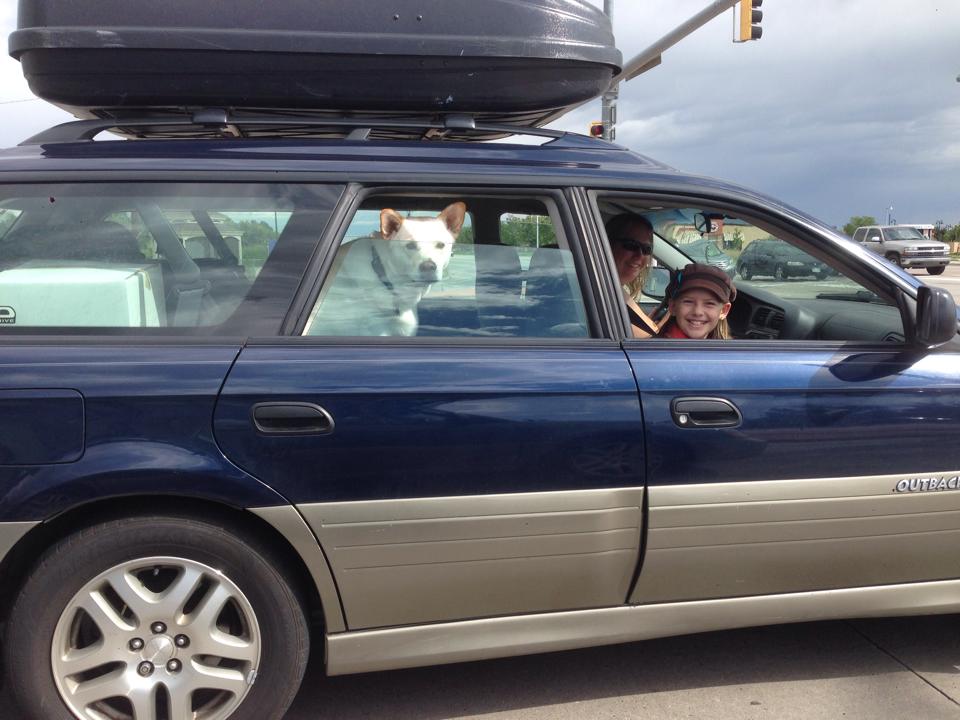
But then a REAL opportunity happened. Yikes! It was exciting and scary all at once. Of course, we live in different times than our ancestors. Most of the moving hassles were taken care of by my husband’s new job, things like flying to Texas to shop for a house, then packing, loading and unloading the truck, driving the truck to Texas, and so on. We could have had our cars shipped, our pets and ourselves flown. However we had too many plants and other things the movers wouldn’t move so we opted to take a road trip in our two cars with 2 kids, 3 cats, 1 dog, and miscellaneous items. It was Labor Day weekend so we had a couple of extra days to kill between being out of our old house and closing on our new one. We stayed with family for a few days but then ventured on where we stayed in 2 hotel rooms with 4 humans and 4 pets. Let’s just say that was an ADVENTURE! The next morning at 7:30 am we loaded everyone up, met our realtor, signed papers, waited for the funding to go through and then finally, around noon, got our keys. Let’s not mention how hot it was (90+ degrees) while we had 4 humans and 4 pets in two cars, waiting for our keys.
My car load, photo by my husband in the other car.Cat is my copilot!
Once we had our keys and we unloaded our stuff, our pets and our kids we went over to the school to get the kids enrolled. Since we were leaving Colorado two weeks after their school started, and only one week late for Texas, they got a couple of extra weeks of summer vacation. They started school the next day. We also still had to wait for our moving truck to arrive. Luckily they arrived the next day as well so we only spent one night on air mattresses.
While all of that was full of hassles and stress, it really did go pretty smoothly. Let’s think about it… We drove a car, with air conditioning, and made the trip in two days. Gas stations, rest areas, restaurants and other stores along the way provided for any needs we had. We had all of our belongings in a big truck also headed to Texas. Our ancestors? They would have only brought what was completely necessary and the journey took weeks (maybe months depending on where they were going) through the elements, with only what they could carry or fit in their wagon. They likely walked all or part of the way over rough roads or no roads at all. The farther back in time, the harder it likely was. There was no roadside assistance. There may have been Indian attacks, wild animals, disease or injury, hunger/starvation, and in many cases they didn’t all make it.
My point is, if our ancestors moved, it was a much bigger “deal” than it is today even when I consider our move a “big deal.” They didn’t do it without a lot of consideration and preparation. (Unless they were running from the law, perhaps.) In our case, studying the social history of the area is not going to clue anyone in on why we moved. Perhaps there will be archived versions of everyone’s Facebook pages, Twitter feeds, LinkedIn accounts and other social media outlets. Those are serving as today’s diaries. If future generations have access to these types of records they can probably figure out why we moved.
My husband’s Facebook status declaring we’d moved.
Pondering the possible motives of our ancestors’ movements can add life to the names and dates and can give meaning to what might otherwise not make any sense. Beware of declaring anything as fact unless you have writings from ancestors. Most of what I “decide” about my ancestors’ motives is of course speculation and is usually based on clues, but rarely does anything say something so clear as my husband’s Facebook status declaring that he had changed jobs and we’d likely be moving or the image to the left that states exactly what day we left our home.
While I don’t have archived social media information for my ancestors (i.e. diaries or letters), it is pretty clear that they moved for some reason and the reason had to be a good one for them to have gone through all that they did. And while I may never know their true reasons, I know what motivates me and my family to pick up and move: a better job and adventure.
I’ve noticed in my research that I am intrigued by the motives behind my ancestors’ actions. Mostly I am curious about why they chose to move from one place to another, why they went with who they did, why they chose that location, and so on. I don’t think we can ever really know without having a diary or letter describing the whys in their own words, but with careful research and analysis we can make some educated guesses. For me, I often turn to my own life when I ponder on the actions of my ancestors, at least as a starting point. While this can be affected by “presentism” (thinking about past events with a modern mindset), it is all I really have to go on when trying to determine someone’s possible motives. I ask why do I do whatever it is my ancestors did: Why did I move?
Our family’s first crossing into Texas when we moved September 2014.
My family and I just made a very large life-upheaving move last September. We didn’t just move from one town to the next. We moved from Colorado to Texas! The motive? My husband got a new, better job. I think we all also needed a change. From my husband’s old job to my son’s dislike of school, it just seemed like we all needed something new; it didn’t feel like we were growing, just staying the same. So, a new state, a new school, a new house, a new grocery store, new weather and new genealogy societies.
I could list all of the differences we’ve had to get used to, from political attitudes to the traffic patterns to the weather, but I won’t. Over the next few posts I will share a few of the things I’m learning about moving as it relates to genealogy, my genealogy business and understanding my ancestors.
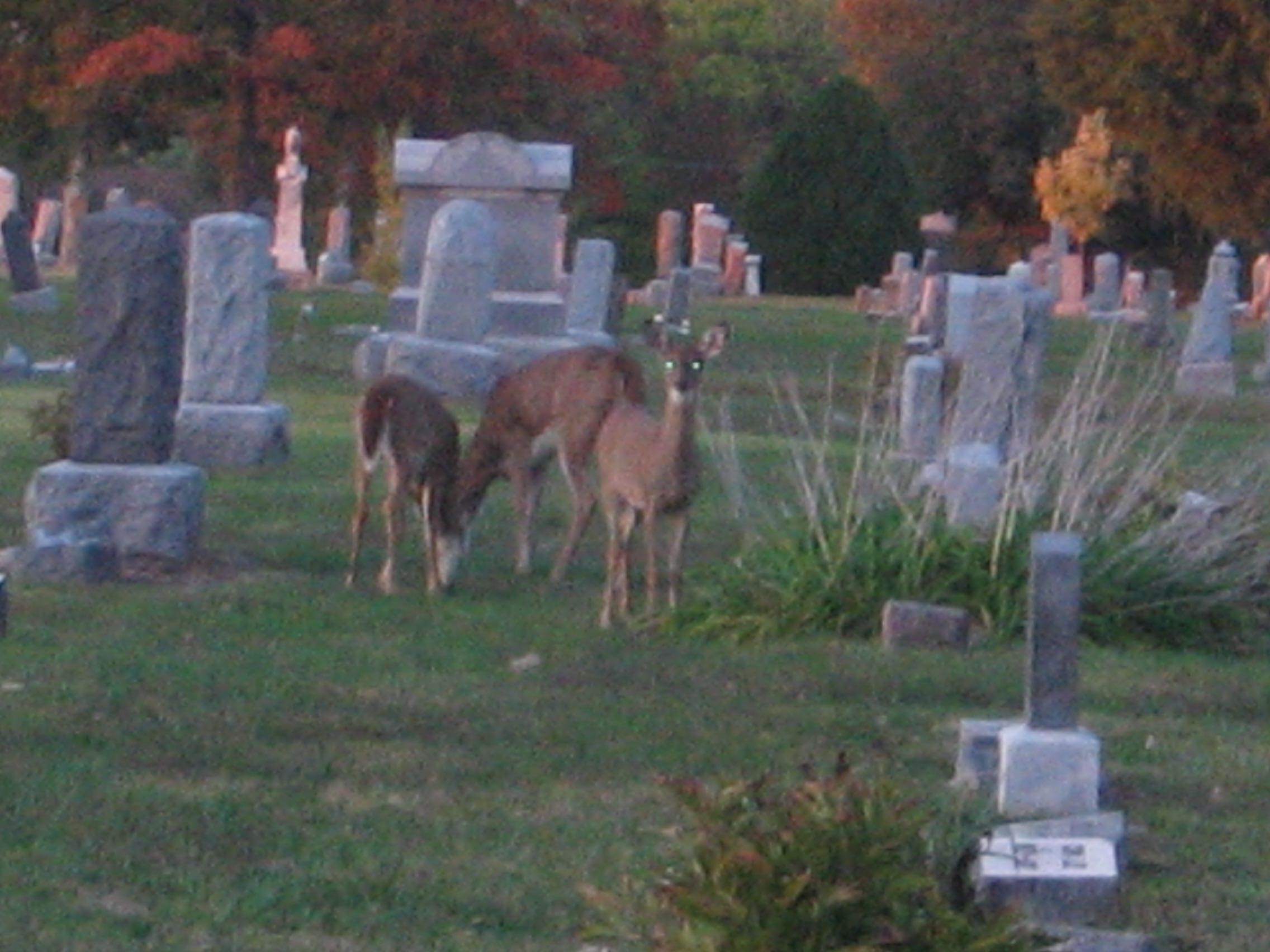
One of my favorite ways to “give back” is through cemetery photography. You are likely familiar with the websites Find-A-Grave or Billion Graves. These sites are collections of cemeteries, tombstones, transcriptions, and photographs that are available to researchers far and wide. These sites didn’t create themselves, however. They are the product of thousands of volunteers all over the world. I know I use the site all of the time, especially for those ancestors in Ohio or Missouri or Illinois in far-flung places that I will probably never get to. Thanks to all of those volunteers, I can see their tombstones with a few clicks of a mouse.
I won’t go into all of the ways you can use these sites for your research; that’s a whole different set of blog posts. I will tell you how I use them to “give back” to the genealogical community. I’m going to focus on Find-A-Grave although similar things can be done with Billion Graves, you’ll just need to check into it if that’s your app/site of choice. I find myself using Find-A-Grave a lot more often, but that doesn’t make one any better or worse than the other. Also, you don’t have to use one of the apps at all, you can use a digital camera and upload the photos from home. Or you can do this with a local genealogical society.
Find-A-Grave and Billion Graves both have apps for your smart phone or tablet. I use them almost every time I take a road trip. On the Find-A-Grave app, you can tell it to find cemeteries near you and it will indicate if there are any with open photo requests. An open request means that someone far away would like to have a photograph of a tombstone added to the site. You can access these request right from your phone, head to the cemetery and take a photo all in one app.
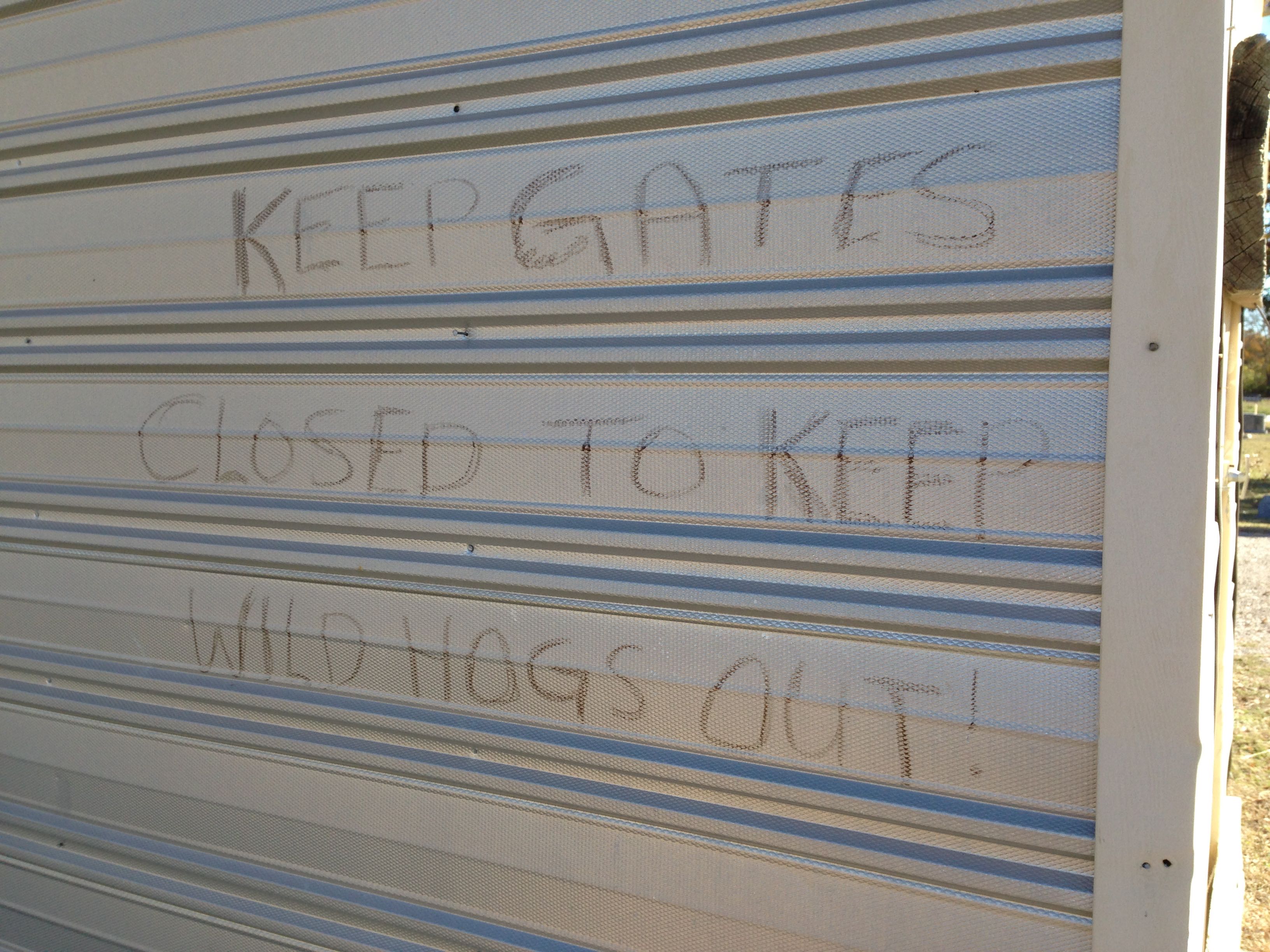
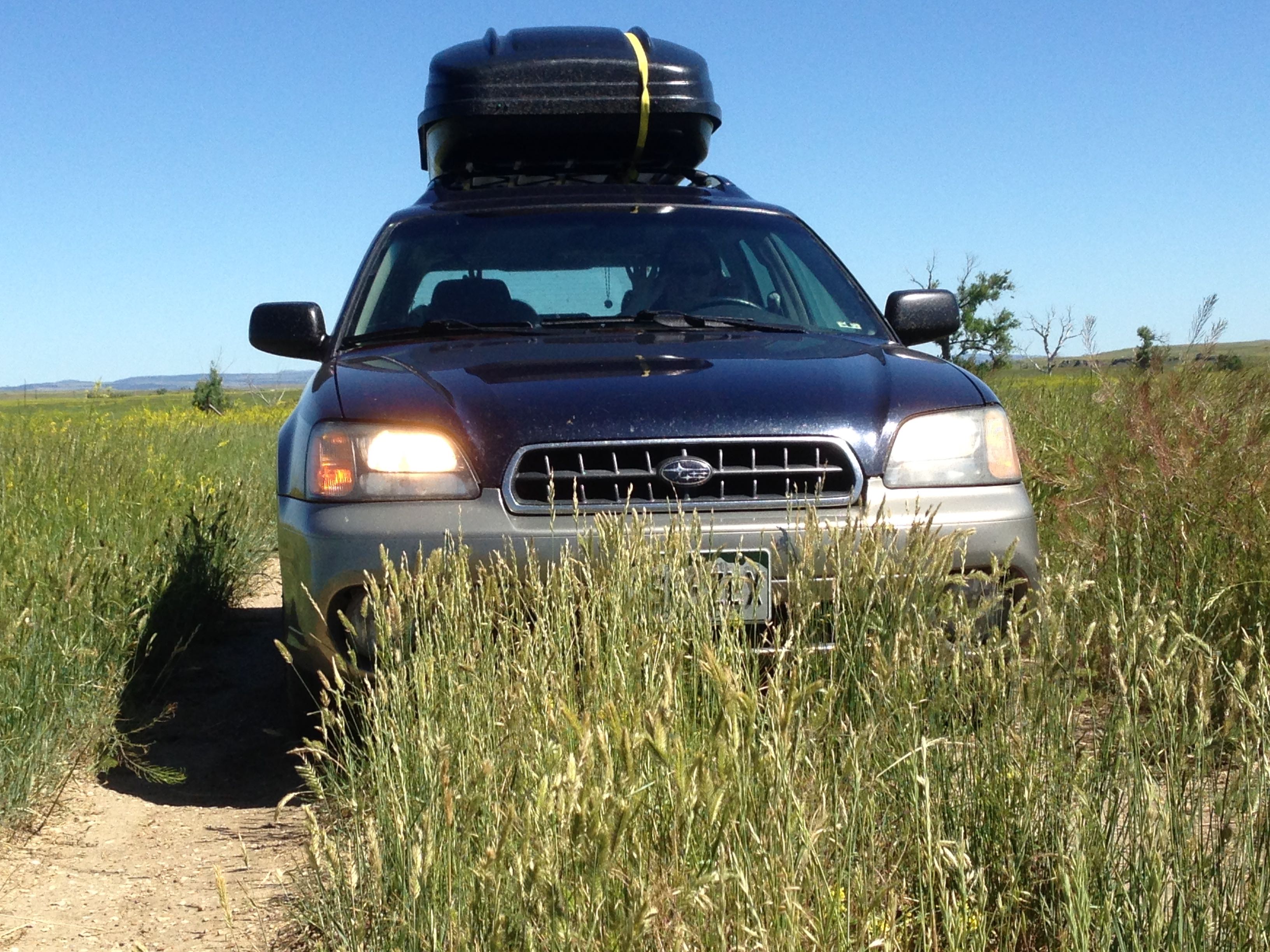
This is an excellent way to get out of the car and stretch your legs if you are on a long road trip. When we have time to take side roads, my husband and I like to visit the cemeteries that are more out of the way. Those are probably the more neglected cemeteries that don’t get photographed as often. Plus we have so much fun! Once we almost got stuck in the mud, even though we drive an all-wheel-drive Subaru. Another time, a thunderstorm whipped up so fast we got drenched. We’ve also encountered very tall weeds, trees engulfing the stones, angry birds guarding their nests, friendly ducks, tiny toads, turtles, snakes and evidence of wild boar.
Since we just moved, we have begun driving around the rural areas near us, to visit the cemeteries nearby and learn more about our new surroundings. Sometimes it’s a great reason to get out of the house and out into nature.
Some tips that we have discovered along the way to help your time in the cemetery be more fun or productive:
Many of these rural cemeteries are away from good cell phone reception. I often take a screen shot of the map and the page with the photo requests so that even if I can’t get cell reception, I still know where I’m going and who I’m looking for. (You’ll have to check with your personal phone model on how to do this, but it can be done.) Another option would be to print these at home and take the paper copies with you.
Wear pants and close-toed shoes, especially in the overgrown, weedy cemeteries. I am a fan of flip-flops, however, I have found myself in the weeds with possible ticks, snakes and burrs far too often. I know throw a pair of shoes to change into in the car. It can be very hot if you do this in the summer, but wearing pants rather than shorts is also recommended.
Stop at a gas station or rest area and use the facilities before you head out too far. It’s not cool to have to squat behind a bush or have to leave altogether to use the bathroom.
Take water and snacks. Like the above, it’s no fun to have to leave early because you are hungry or thirsty.
Exploring cemeteries has been one of the most fun and fulfilling activities that I have done to “give back.” You never know what you are going to find. Have fun out there!
I will finish this series off with a sincere gratitude for my spouse, Seth. He’s the ultimate in being supportive of my genealogy obsession. He supports me, not only financially, but with helping out with the kids when I want to take off on a genealogy adventure. Sometimes, when he gets to come along on those adventures, he’ll be my microfilm fetcher, reader or scanner, or my tombstone spotter. He’s always accommodating when it comes to taking a side trip to visit a far flung cemetery or repository. He also helped build the aforementioned home office (and didn’t once demand a “man cave”), moved many books, shelves, desks, filing cabinets and office supplies to and fro. He also let me pick the bright colors we painted on the walls.
Overall, he is the best genealogy husband a girl could ask for! I love you honey!
You’ve seen them. Maybe you’ve been one. But you’ve definitely benefited from them. Genealogy volunteers! They tirelessly index records, sit at a library help desk, do look-ups, teach classes, mentor, lead genealogy societies, plan events, write articles, edit quarterlies and newsletters, send emails … they do it all. I know that I personally have benefited from many hours of volunteer time. This is my shout out to all volunteers who are, ever was or ever will be giving of their time freely for the benefit of others! It is another aspect of how awesome the genealogical community is! THANK YOU!
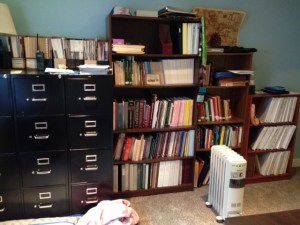
It was only 10 years in the making. We moved into our house in 2003. It had an unfinished basement and we had a young family. My husband and his father got to work finishing the basement. On one side it has a creative studio space, TV/Family room, several closets and a bathroom. On the other … the new home office! It has two U-shaped desks that sit next to each other so my husband and I can work together. We also, finally, got 3 bookshelves for our books that have been in boxes since we moved in, 10 years ago. All of my Stephen King, Neil Gaiman, poetry, Shakespeare and other literature books and his sci-fi/fantasy collections finally see the light again.
All of my genealogy books and files have a home! My dog has a little nest and I have a heater to take the chill off of the basement environment. We have two big windows that do let in a lot of light for a basement, so it is not a dark and gloomy as some basements.
I have plenty of room to spread my projects out (I usually have several going at the same time) and my husband has his own section that can be as messy as he likes and it’s not in our living room any longer!
So thank you hubby and father-in-law for all of the work over the years!
I am continually grateful for the education opportunities that are available to me on the state level, national level and online. I am also thankful for the teachers, educators, lecturers and mentors who give their time to bring those opportunities to me (and everyone else who benefits, too). I know I wouldn’t be where I am today in the field if it hadn’t been for some really excellent examples who have stood at a podium and unleashed their wisdom upon a group of eager students or those who take time to talk to me (and others) personally about genealogy-related topics.
Those who have “gone before” taking the time to teach those of us coming next is one of the best parts of the genealogical community. A big thank you to all of those who have gone before and are “up there” at the podium (or writing books and articles, or teaching webinars, or leading small study groups). You’ve been a great influence on me!
I don’t know about you, but I am in love with coffee. I am so grateful for coffee and how it impacts my genealogical research. I come from a long line of coffee drinkers so I am sure it runs in the gene pool! I am especially grateful for peppermint mochas. Plain coffee (with cream and sugar) is an excellent treat for next to the computer in the chilly Colorado winters. Also because it keeps me awake at night when I get on a research roll or get me going in the morning after a long night of working. Coffee is a fun way to meet up with friends and fellow genealogists! Coffee is a treat beyond the cup, it brings people together and helps create memories!
In my last post I expressed by gratitude for the Internet, however, I am also thankful for technology in a more broad sense. In ten seconds, I can scan an aging photograph, have a copy on my computer and in another 10 seconds, I can send it to a distant cousin who may have never seen the photo. I am grateful for technologies like my scanner, computer, large monitor, smartphone with camera, iPad (with Kindle app), as well as software such as Reunion, Evernote, Google, WordPress, Photoshop, iChat, Skype, and so on.
The speed with which I can research, collect and manipulate data and share with others is astounding. Stop and look around your office, look at the apps on your smartphone, look at the Applications folder on your computer and just try to fathom how cool it all is, how utterly life-changing technology has been over the last 20 years!
I am super-grateful for my technology! How about you?











 In my last post I expressed by gratitude for the Internet, however, I am also thankful for technology in a more broad sense. In ten seconds, I can scan an aging photograph, have a copy on my computer and in another 10 seconds, I can send it to a distant cousin who may have never seen the photo. I am grateful for technologies like my scanner, computer, large monitor, smartphone with camera, iPad (with Kindle app), as well as software such as Reunion, Evernote, Google, WordPress, Photoshop, iChat, Skype, and so on.
 Genealogy Pants