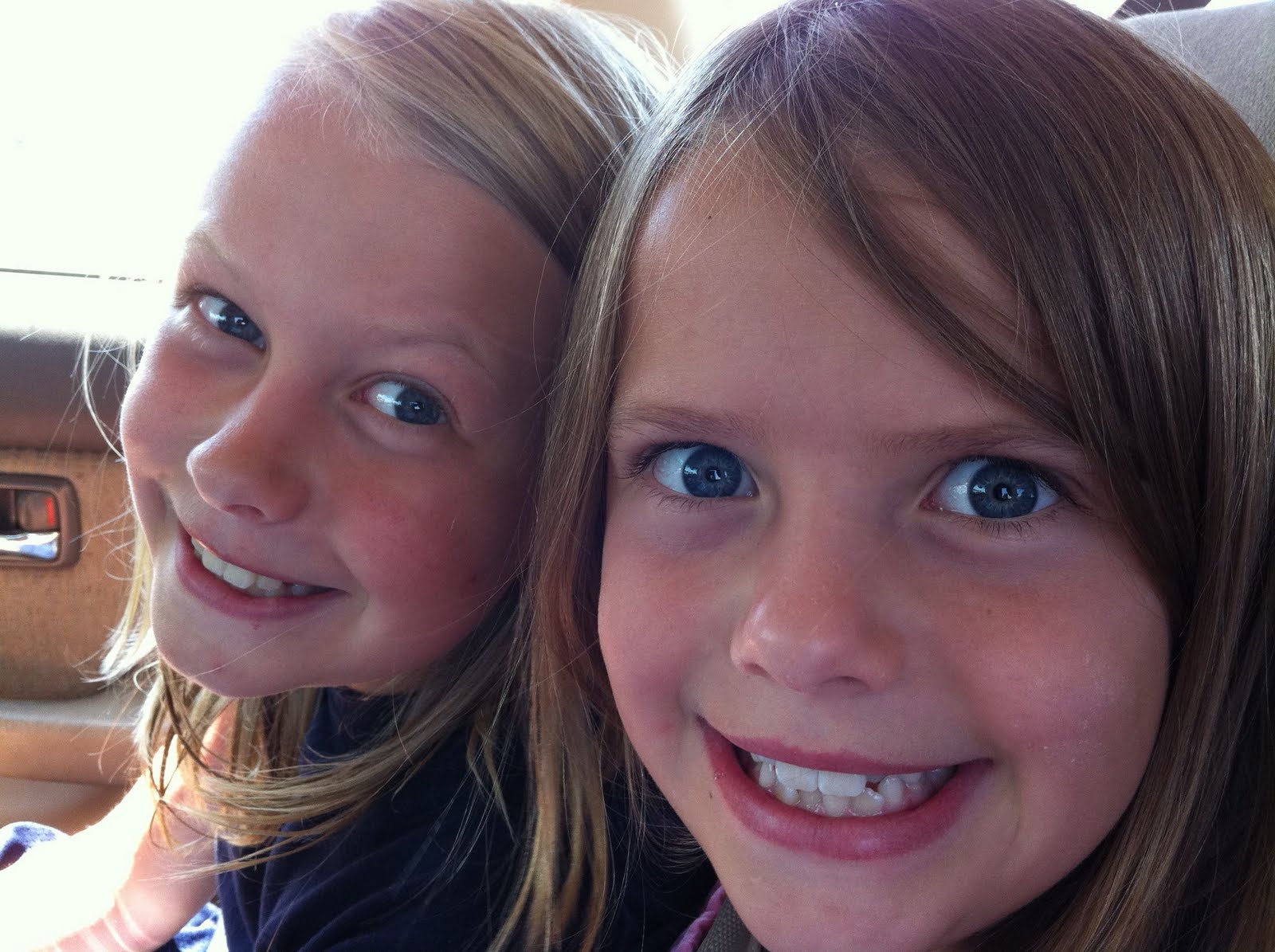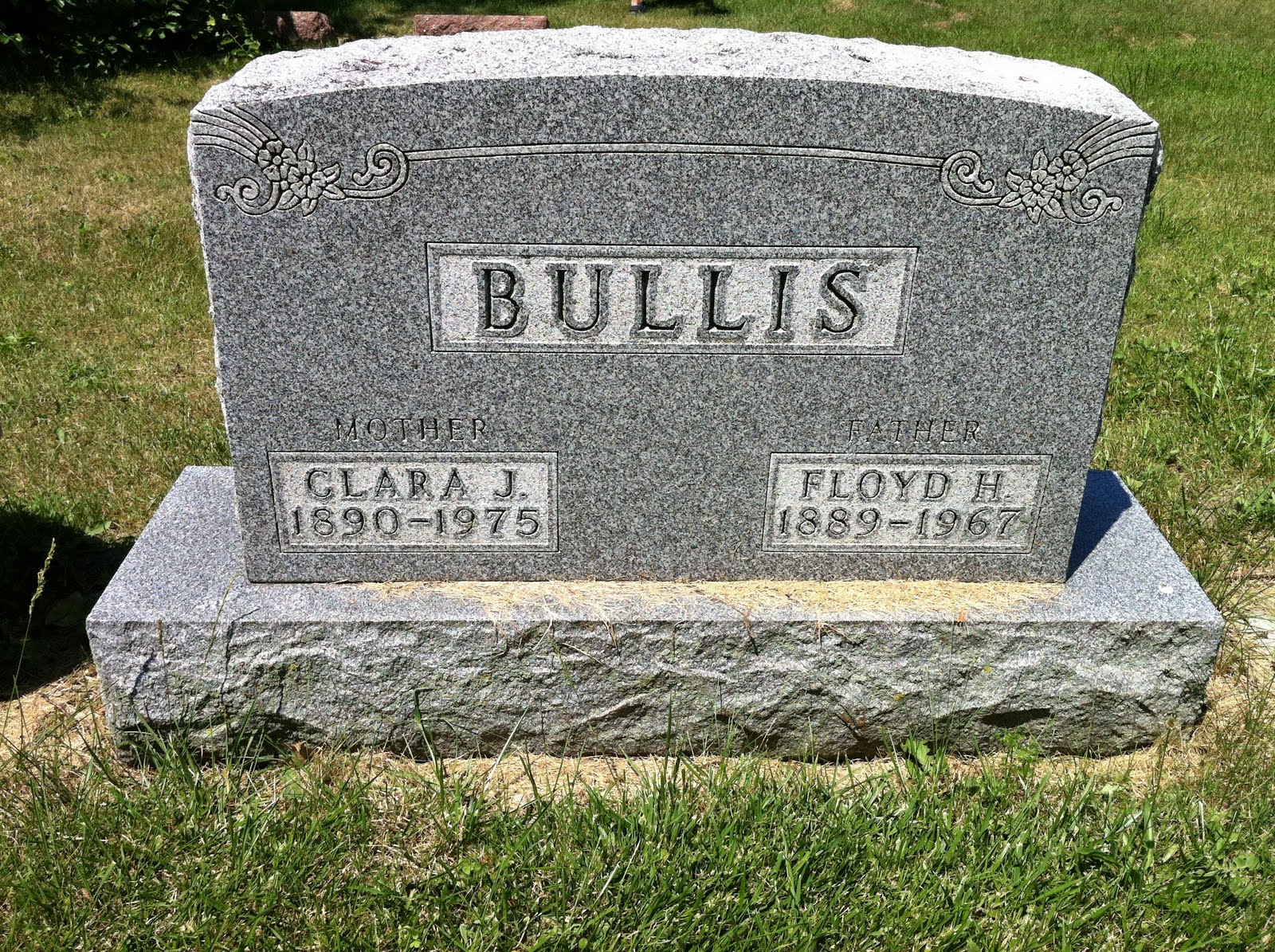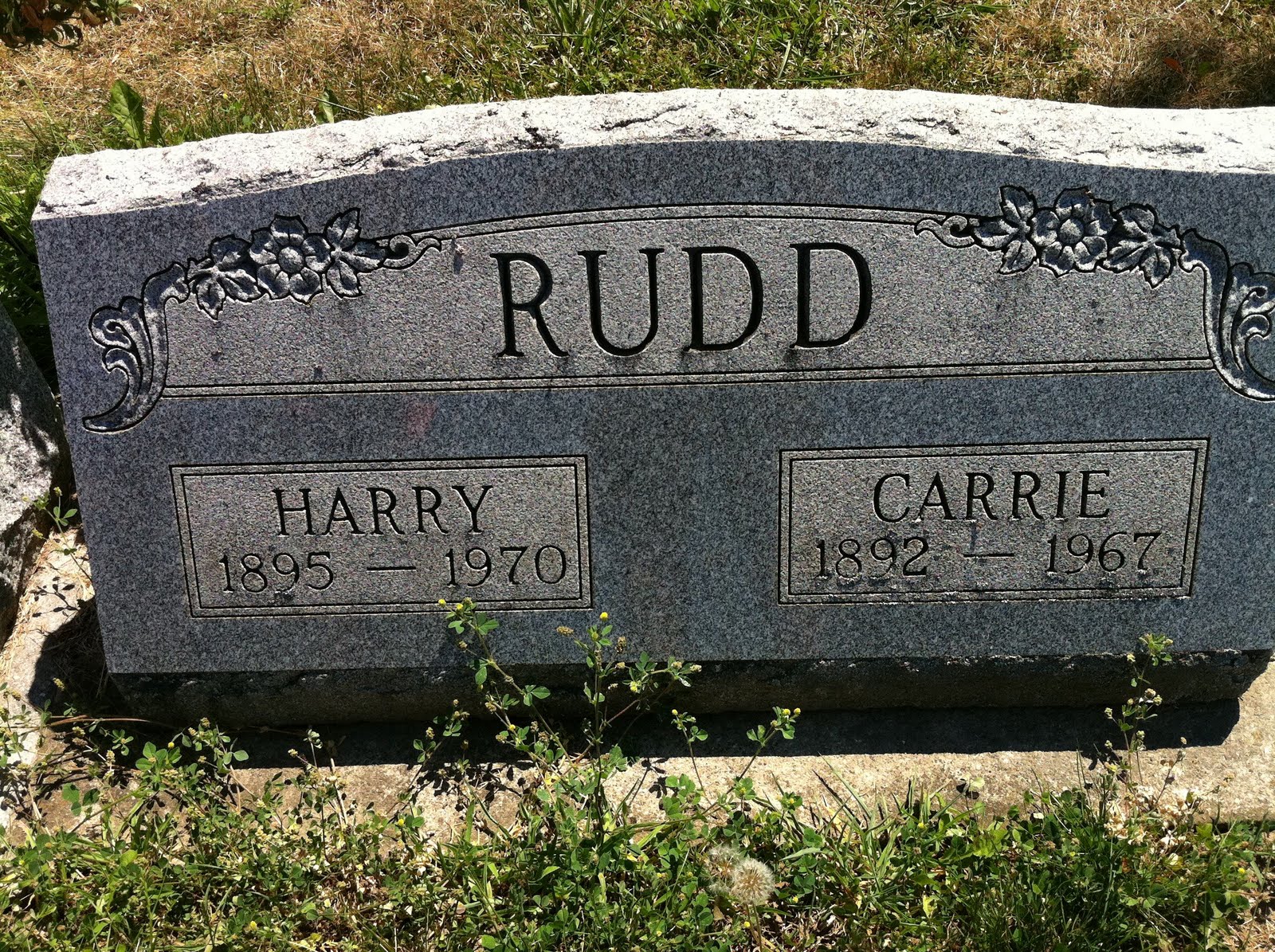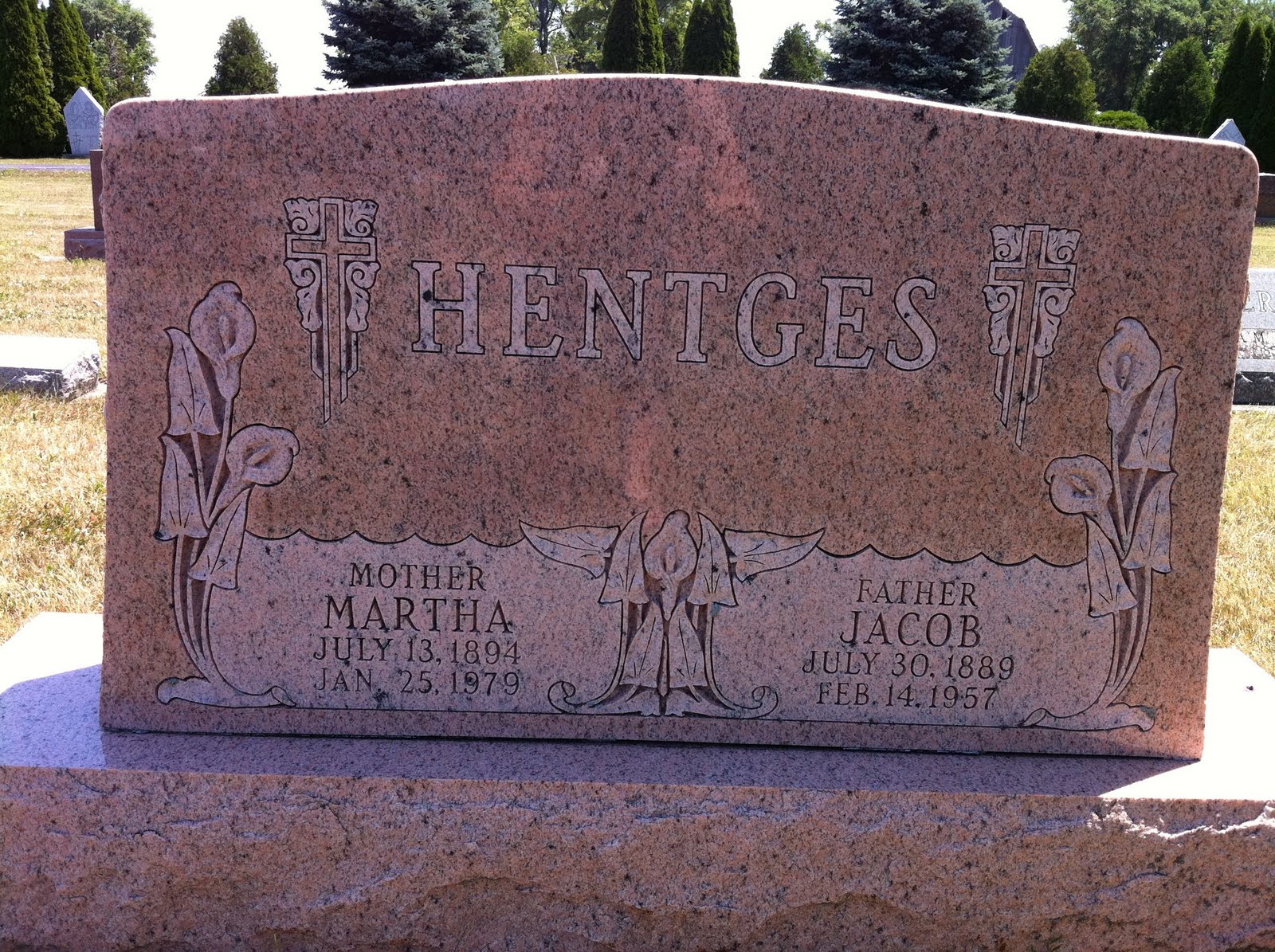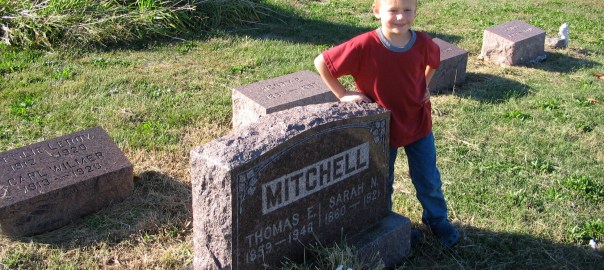
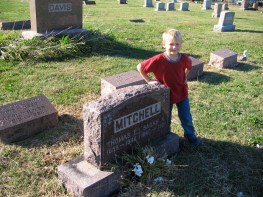
I am a mom with two children still at home. When I began this genealogy journey my son was just 5 months old. He’s almost 13 now and my daughter is 10. Sometimes it’s a challenge to get them to be involved and not grumpy when the car takes a side trip to visit a cemetery or library. When I take a research trip to Wood County, Ohio I am usually there to visit my family and often our trips are too short. I like to combine the research with the visiting to maximize the time we have together: “Hey grandma, let’s go to the cemetery and you can tell me about your great-grandparents and their families.” Taking your family along on research expeditions can be a fun way to get them talking about your ancestors and getting them more interested in what you are doing.
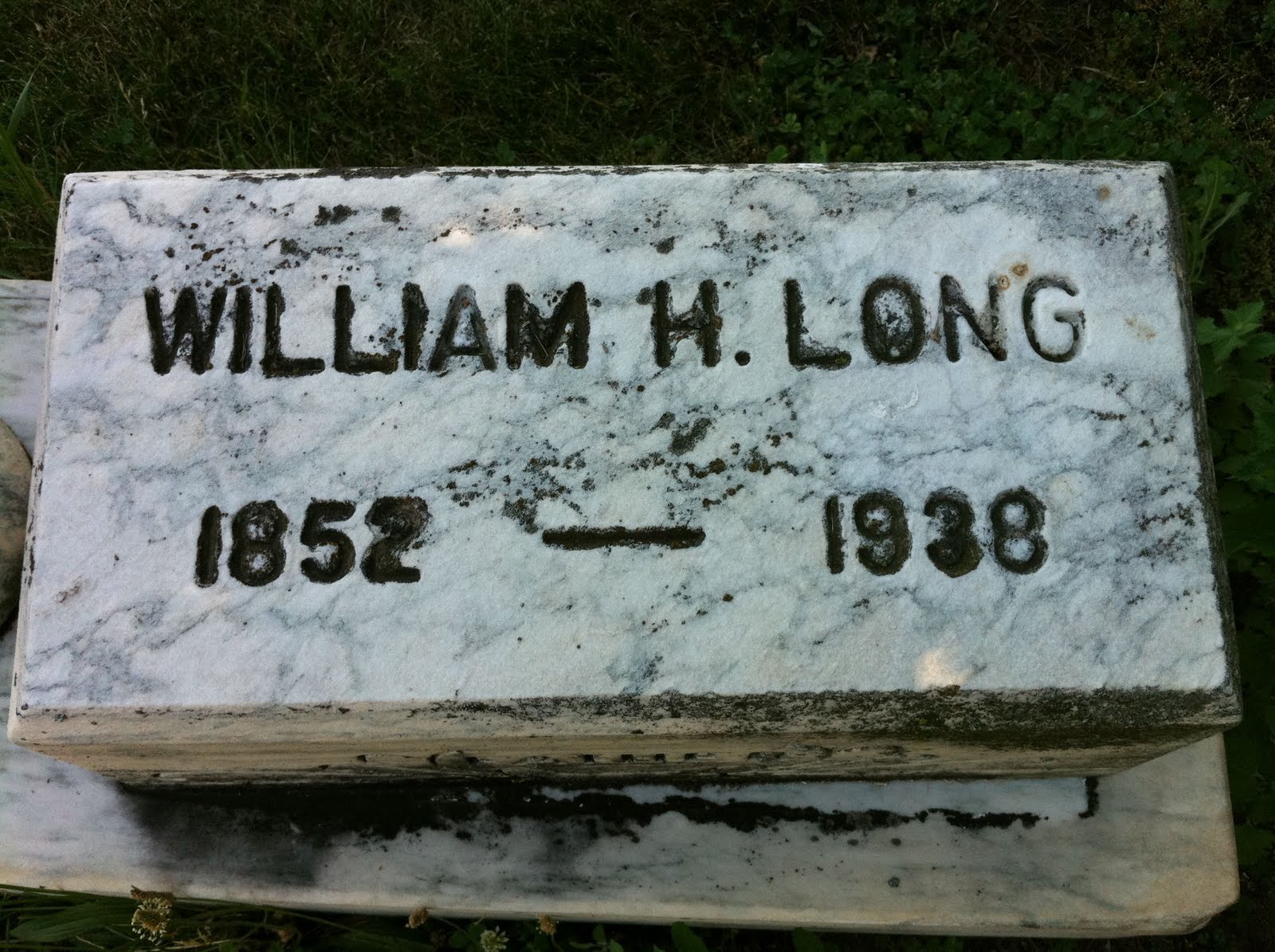
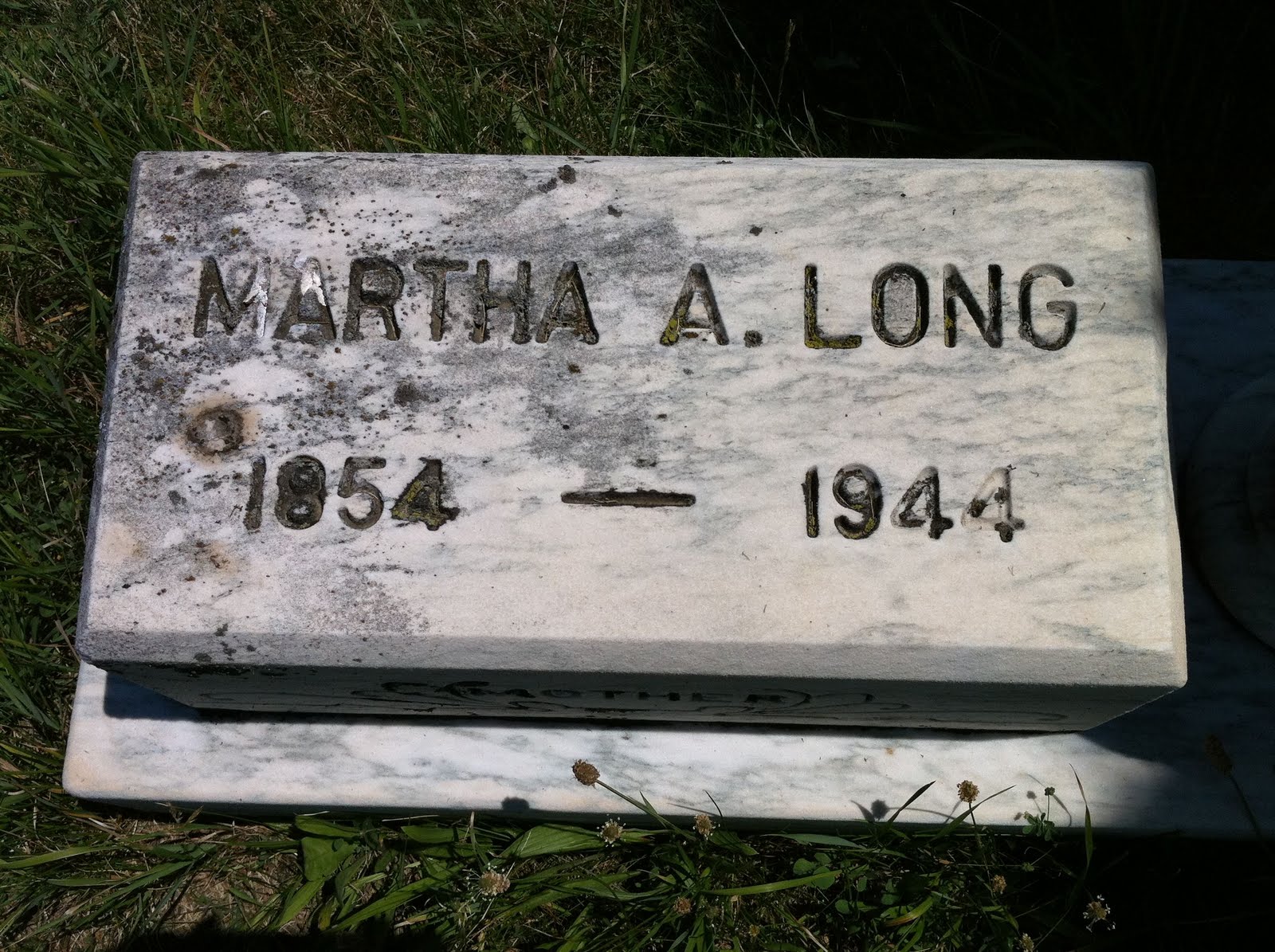
I’m not above bribery. When I take my children to a cemetery I offer them a small fee (25¢ for even looking) and a prize for who finds the tombstone (50¢). It motivates them and makes it easier for me to have little energetic legs tromping around the cemetery. My son is especially good at finding the tombstones. I don’t know how many times I’ve taken him to the cemetery, given him the name we are looking for and he’s off in a flash, zig-zag across the cemetery. In no time at all I hear “found it!” sometimes even before I’ve had a chance to get started! (By the way, he is for hire.)
With the older family members it is sometimes just nice to get them out of the house and to a place they probably haven’t been in a long time. My grandma especially likes to drive around out in the country reminiscing about times gone by, who lived on which farm, who she went to school with, and the fun (and not so fun) times she had. My dad seems to like the thrill of the chase, like finding items on a scavenger hunt. If you have reluctant relatives, you might offer to buy them lunch if they come along.
Combine your research trips with visiting with relatives. Take notes (well, not if you are the one driving) or record conversations on your phone or with a digital recorder. Or have an able person in the car take notes while you’re driving. At any rate, conversation will tend to revolve around what you are looking for. Memories will be triggered when you are looking for Great-Aunt Martha’s grave. You’ll want to be sure to get those memories down on paper.
Involving your family members in your research jaunts can be very rewarding and fun. It might give you the opportunity to connect with some relatives you don’t get to see very often. Whatever you do have fun and enjoy the journey!
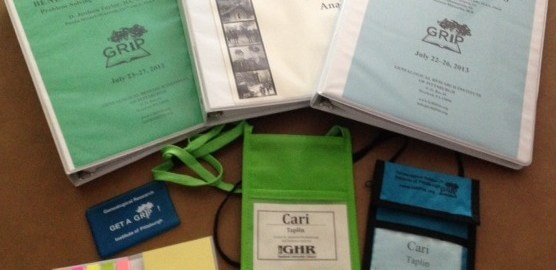
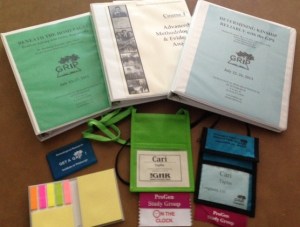 Generally registration and check-in occurs on Sunday afternoon. This is where you will be given your name badge, meal tickets, keys to your dorm room, your class binder and any other items necessary for your week. If you are not staying on campus, this is a good time to find your hotel, get acquainted with the area for any amenities you might require such as a grocery store, a coffee shop, restaurants and the like. Some institutes have a Sunday evening dinner with an orientation session. This is where you will learn about specifics for the week, what optional evening sessions might be available, any changes to the schedule, and other details about the campus or the institute. This is a great time to get to know your fellow classmates and institute attendees. In your binder will also be a schedule for the week, a class roster with contact information so you can connect with your classmates, and other informational pages in addition to your lecture notes for the week.


 I am registered to attend the
  The
The  The
The  The
The 

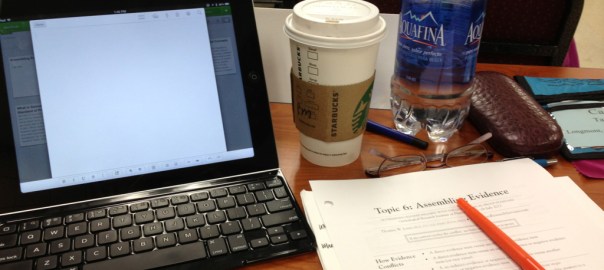
 This summer I attended two outstanding genealogy institutes,