Genealogical Preparedness – Part 2 – Time with a Professional

Time with a professional

PaperDocumentsPenHave you ever attended a genealogical event, conference, institute, or seminar where you had the opportunity to sign up for a personal consultation with the instructor or a professional genealogist? These are sometimes offered at events like a national conference or during week-long institutes. I recently participated in two such events that got me thinking about how to be prepared for such an opportunity. I was on the opposite sides of the desk for each event so I now have perspectives as both the participant and the professional.

In September, I attended my first ever course through the British Institute from the International Society for British Genealogy and Family History (ISBGF) [http://isbgfh.org]. I took the course on researching in England. I have done a lot of research in United States records on a particular family line leading back to England, but only recently decided to work on the family in more detail. However, I only have minimal experience in records created and kept in England, hence the need to take this class. One of the unique features of the British Institute is that since it is held in Salt Lake City, the instruction time takes place in the mornings and then the afternoon and evening hours can be spent utilizing what you’ve learned on your own research in the Family History Library. Also during those afternoon hours, you have the opportunity to sit down with the instructor(s) and receive a personal consultation; I had about 20 minutes to ask the instructors anything.

In October, I had the opportunity to participate in the “Ancestors Roadshow” giving free 15 minute consultations to members of the public as a part of the “Genealogy Lock-In” hosted by the Central Texas Genealogical Society in Waco, Texas. It was a fantastic event. I met a lot of new people in the Texas genealogical community and had a lot of fun helping a few lucky participants in the roadshow. As part of the roadshow, participants could fill out a questionnaire about research questions or problems they were having and then we (the professionals) were supposed to go over this with them and give suggestions for further research. The participants had the opportunity to fill this sheet out ahead of time. It was made available through a website advertising the service. They could also fill it out at the event and be assigned a time with a professional.

From both of these events, I realized that the person coming to the consultation could get so much more out of the short amount of time if they were a little more prepared. During the roadshow, I was handed the questionnaire and introduced to a person and then only had 15 minutes to help them with their questions. Most of the time, the questionnaire would list a person, perhaps their birth or death dates, maybe a location. They were asked to tell us where they had previously searched and/or give us a list of documents they had pertaining to the problem. Most participants didn’t write much down. Many wrote that they had searched Ancestry.com, which is not very specific at all. Ancestry contains a lot of material. When they got to sit across from me at the event, most of them spent a lot of time telling me their story rather than getting very specific about their problem. This took up most of the 15 minutes we had together. I was not much better as a participant when I had a chance to talk to the instructors at the British Institute. Honestly, I had not done much work yet on the family I was researching and should have spent more time analyzing what I had and preparing specific questions for the time I had with them.

My advice for anyone who has a chance to sit down with a professional for a quick consultation:

1. Decide what you want to ask – be focused.

2. Be specific – the time will go by fast

3. Know what you’ve already done and what documents you already have.

4. Keep the background story to a minimum. Don’t waste your precious time giving unnecessary information.

It is up to you to get the most out of the experience. The professional may be doing this as a volunteer (like I did at the roadshow) or as part of their overall fee (like the instructors at British Institute). You can’t expect one of these consultations to just give you the answer to your research problem. The time is too short. These consultations are designed to give participants guidance and maybe some ideas you hadn’t thought of or weren’t aware of.

I hope that these thoughts help you if the opportunity ever presents itself. I know I learned a lot about the process from both sides of the consultation table and will definitely be more prepared the next time.

Be Prepared in Genealogy – Part 1 – Introduction

BePreparedIt has been a few months since I managed to sit down and write. I have been busy with many great genealogical opportunities from projects to research trips to conferences. Not to mention everyday life such as kids’ events, car repairs, having a cold, playing with a new puppy, etc. You know, life. But I’m back and planning a new series of posts.

In this series, I’m going to write about several aspects of “preparedness.” It has come up recently from different situations and a variety of angles. I’m going to address my ideas of being prepared for research trips, conference planning, what to do if you have a chance to consult with a professional, how to prepare to become a professional… And any other nuance of the idea of being prepared I come up with between now and the end of the series.

I am not going to talk too much about being prepared for natural disasters, computer failures, or theft. I think we all know that the best thing you can do is offsite back-up, at the least. I use BackBlaze and have never had any trouble with it. I have used other programs in the past and only really switched because their prices are much more affordable for my needs. There are a number of programs and services out there for this type of preparedness.

Another way to prepare for disaster is to get your research written and shared. There are a lot of ways to share: within your family, with a local genealogical society quarterly, a state-level quarterly, in magazines and journals on the national level such as in the National Genealogical Society Quarterly. Or you can publish it yourself through an e-book, a website or blog, or a print-on-demand service like Lulu.

So, the idea of preparedness as a researcher and professional will be covered over the next several blog posts. I will share ways I do prepare and ways I fail miserably and the consequences, both good and bad.

Moving Part 5: Learning to Research in a New Community

Travis County Ar
Travis County Archives

When I lived in Colorado, I knew where the records I needed were located. I frequented the Denver Public Library, the Colorado State Archives, the Colorado History museum’s research library, the Boulder County Courthouse, the Carnegie Library for Local Research in Boulder, and more. Moving to a new city has brought on many challenges, one of which is vital for any genealogical business: learning to research in new repositories. In Colorado, I also knew who to ask when I ran into a snag. Building a new FAN club (Friends, Associates, Neighbors) for research purposes is just as important as it is for your personal life.

The first time you walk into a new repository can be a little intimidating. You may not be familiar with the building, the parking, the streets (which ones are one way in the right direction…?), the policies and procedures of using the collection (though most of the time this can be found on the repository’s website), and you never know if the person you need to ask for help will be friendly, helpful or totally flustered because he/she is overworked and underpaid. Believe me, I’ve run into all types over the years and I still get a little intimidated visiting a new repository.

I wrote in a previous post about my plan to “adopt” a Texas ancestor in order to learn about Texas records and repositories. Well, I didn’t have to do that. A client with Austin research needs found me! I am very grateful for this new client. Because of her request, I have been to and learned the quirks of the following repositories in Austin:
Travis County Clerk’s office (at a different location than the courthouse)
Travis County Archives (still another location, this time located in the Travis County Sheriff’s building)

[Author’s Note: I want to publicly thank two colleagues, Teri Flack and Randy Whited, for giving me a tour and driving me around to a few of the above repositories, which really helped me understand which records are where around Austin. Thanks to the internet, attending national conferences and getting recommendations from other professionals in the field, I was introduced to these two genealogists in the Austin area and they have been so generous getting a newly relocated genealogist accustomed to the repositories in the area. Thank you! ]

The Austin History Center (AHC) is probably my favorite. The parking is easy (although not free), the staff are the friendliest of all I’ve met so far, the microfilm equipment actually works (big plus) and it reminds me a bit of the Carnegie Library in Boulder (although it’s not a Carnegie building). It is a manuscript archive so you must only bring in your laptop, phone and some loose paper. They provide a locker when you check in. They provide scratch paper and pencils (no pens). They have a fantastic collection of both manuscript materials as well as microfilms of mostly Austin-specific but also other Travis County items.

The Briscoe Center for American History is a primarily a manuscript collection pertaining to Texas history and people. It is located on the University of Texas campus next door to the LBJ Library. Like the AHC, Briscoe provides lockers and does not allow much to go into the facility (computers, loose paper and pencils only). The parking is free but you have to go in, check in, get a parking pass which you must run back out to your car. (Not a big deal except for the day I went and it was over 100 degrees and I had to cross the hot parking lot several times. I’m from Colorado. 100 degrees is too hot, but, I did survive.) This collection has many great items as can be seen in their catalog. I got to read original slave narratives on the day I was there. Very interesting, sometimes sad, reading. I also got to look at a box of all of the notes and research that went into writing a book on Texas slave history. It was fun to sort of see the thought process an author went through in constructing the book.

The Travis County Courthouse and Criminal Justice Center is located across a small park from the AHC. It is a bustling building, very busy with people navigating the legal system. There are two buildings: the county courthouse and the CJC building which houses the District Court. Finding records here has its challenges, one of them being the aforementioned hustle and bustle. The old records through the county court are not publicly accessible and have to be requested. The REALLY old records are still being searched for after my request for some from the 1880s. The District clerk does have a publicly accessible computer index to their microfilms, so once you’ve found a case number, you tell the attendant and they pull the microfilm for you. All of the clerks and attendants were friendly and helpful when I visited them. They were also busy with current events, so my request for OLD records was a little surprising to them since they are usually dealing with more recent records requests.

The Travis County Clerk’s office is located a little ways north of downtown Austin. It is easy to locate and parking is free. It seems as if the county purchased an old shopping center and converted it to county offices. (In my opinion, that is an environmentally and economically responsible move.) The Clerk’s office has several counters for requesting marriage licenses and taking care of other county business. To the right of this is the public research area, mostly containing microfilms of deeds and a few early landowner maps, complete with 6 microfilm readers. However, only two work, if you can get the pay-with-card machine to work. The first time I arrived it took me and the information desk attendant about an hour to navigate all of the quirks of the system. All of the staff were helpful despite the challenges to getting the machinery to work. They seemed to be at their wit’s end with the equipment as well. For everyone’s sake I hope new equipment is in the future budgetary plans for that office.

The Travis County Archives is a separate facility from the courthouse records office. This one is located within the Travis County Sheriff’s building, which is a new location for them and they are still unpacking and labeling shelves. This repository is a little more difficult to access. You can’t just show up, there are not set office hours. It is a closed facility and an appointment must be made to use it. You can email ahead of time to the archivist (a very helpful and friendly lady) and let her know what you are looking for. (She has been going above and beyond working with the County Court records office trying to locate those court records I’m hoping for.) When visiting, someone will meet you in the lobby and escort you through a maze of hallways, to the very back of the building where the archive room is located. It is a nicely lit, large room. When I arrived she had the old court minute books ready for me on a work table. It was a lot of fun to read through some of those old books.

One repository that I haven’t mentioned yet, is the Texas State Library and Archives. This facility has a vast collection of Texas materials. It is located next door to the state capitol building. Parking for this facility is a little more tricky than the other locations; there is a parking garage about a block away that may or may not be free depending on the events in the area. They have a great genealogy center, archives room, and a classroom. I have only taken a class and had a tour but have not done any research there yet.

I am still planning on adopting a Texas ancestor and I have my eye on a few people I’ve located in area cemeteries. I’ll keep you posted on anything that develops on those projects. Overall, having this client work has been quite helpful in getting familiar with Austin and Travis County repositories. I have also become acquainted with several of the archivists and employees at these facilities, perhaps garnering some new connections but definitely allowing me to build my FAN Club.

Moving Part 4: Creating a New FAN Club

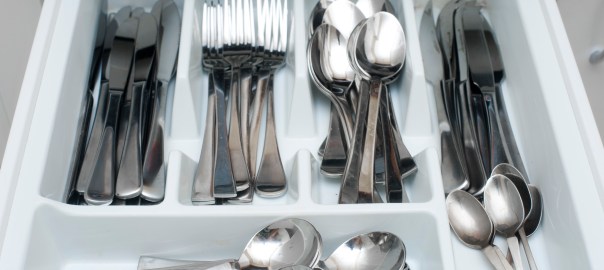
a kitchen cutlery drawer full of knives, forks and spoons

[Author’s note: Sorry for the delay between posts! I’ve been exceedingly busy with some projects lately. One of them was preparing for the Northwest Genealogical Conference. I am excited to be presenting three lectures this Friday and Saturday in Arlington, Washington (near Seattle) and took some time to get prepared. I had some other projects in the works as well and so these posts had to wait a little bit. So, without further ado…]

When we relocate everything is different, except for the stuff you brought with you, and even that ends up in different locations. (The spoons are no longer to the left of the sink. They are now in the island drawer.) For the first few months, I had a bit of anxiety when needing to do something simple like go to the grocery store. Traffic patterns are different. Road signage is different. The stop lights are sideways here instead of up and down. It took us a while to locate a decent breakfast restaurant. Not to mention all of the work that went into getting our new driver’s licenses, license plates, health care professionals…I’m still in the process of finding a decent dentist. (I miss you Dr. Simpson in Boulder!)

Moving to a new location forces you to create a new network, a new FAN club. (I described the FAN Club in the previous post.) One of the most common ways to do this is to get to know your neighbors. (Unfortunately, we have found that the neighbors down here are not as friendly and/or talkative as our old neighbors. We miss you Judy and Williams Family!) Our neighbors tend to keep to themselves. In fact most people in our neighborhood keep to themselves. (Except for one child who lives down the block and made friends with my kids… she’s always coming over to visit.) So we are still working on this one.

My favorite way to meet new people, especially like-minded people, is to join a new genealogical society (or three, as I have done). This puts you in contact with others who appreciate family stories, research, sharing tips and tricks for genealogy, and who won’t roll their eyes at you when you start talking about the latest record you located. (Not that my husband does this, but my kids certainly do.) Near me there are two dues-paying societies that I have joined, the Austin Genealogical Society and the Williamson County Genealogical Society. There is also an informal genealogy group that meets at the Pflugerville Public Library. I have also joined the Texas State Genealogical Society. They don’t have monthly meetings but do have many member benefits, one of which I’ve already benefited from: their speaker’s bureau. I’ll have the pleasure of speaking to the Central Texas Genealogical Society meeting in a couple of weeks.

Other ways to meet people and get acquainted with new people includes volunteering for those genealogical societies or other community organizations such as the library, school, or animal shelter, finding a new church or other house of spirituality, attend events in the community such as festivals or neighborhood events, or take a class (art, exercise, dance, cooking, etc). These are just some of the ways to expand your FAN club after you relocate. These can be quite fun and engaging.

As an aside, an interesting thing I’ve realized after relocating: I didn’t have to give up my Colorado friends as much as I did when we moved during my childhood. Back then, keeping in touch involved actual letters sent via the US Postal Service (*gasp*) or long distance phone calls that were expensive, both of which are being eradicated from our modern lives. The internet has allowed me to keep in touch through social media and video chatting and smart phones allow these communications to happen anywhere. Also, it doesn’t hurt that I moved to a town very near where one of my best Colorado pal’s parents live, so I get to see her every time she comes to visit them. The same is true with my kids. They still chat, text and video call their friends from Colorado. Even though we may have spread out physically as a society, the internet has brought us the ability to remain connected in ways our ancestors would probably find magical or mystical. (Heck, I find it to be magical myself.)

Next up… Learning to research in a new community.

Lessons from Moving: Part 3

Our recent migration path

We are taught in genealogy lectures to examine our ancestors’ friends, associates and neighbors because often people associated with relatives and/or moved to different locations with of associates who were not relatives. In pondering this concept and comparing it to my current situation, I am struck by how different our lives and connections are now than they were for our ancestors.

No one moved with us. It was my husband and myself, our two kids and four pets. Our nearest relatives now live over 3 hours away, relatives we are getting reacquainted with but that we weren’t really close to prior to moving. The only people we knew in Austin were acquaintances, our realtor, and I happened to know of a few genealogists in the area as well. My husband doesn’t have an actual office yet at the building here because the project is so brand new they aren’t done building it and organizing all of the employees on the project yet, so no real work friends for him yet. The point being that if you tried to find a “FAN Club” reason for our move you couldn’t.¹

I imagine to future researchers the migration patterns of today look a lot different, more confusing perhaps than those of our ancestors. Generally speaking, the patterns of US migration generally move from the east coast to the west. (I know this is a big generalization and I have several exceptions in my research.) Also, generally you can locate groups of people who migrated together. I’m sure it happens today, but I would guess not as much. We are a lot more independent, less support is needed from our family and neighbors for survival. From grocery stores to gas stations, indoor plumbing to wi-fi, we generally have everything we need or can find it for ourselves.

Does it feel more isolated? Or maybe it’s just me still adapting to a move and still finding my new network of friends, associates and neighbors. Don’t worry. We are adapting. My next posts will be on how we are working to build our new FAN club.


1. The “FAN Club” principle is attributed to the work of Elizabeth Shown Mills. Elizabeth Shown Mills, QuickSheet: The Historical Biographer’s Guide to Cluster Research (the FAN Principle) (Baltimore: Genealogical Publishing Company, 2012). Also see, Elizabeth Shown Mills, “QuickLesson 11: Identity Problems & the FAN Principle,” Evidence Explained: Historical Analysis, Citation & Source Usage (www.evidenceexplained.com : accessed 27 May 2015).

Lessons from Moving: Part 2

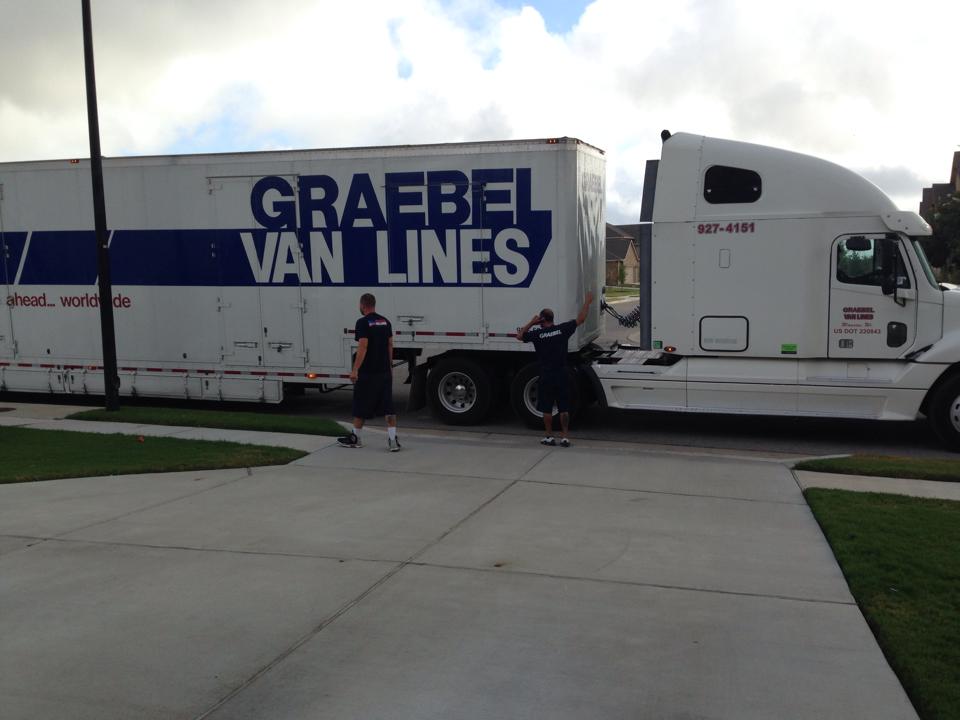
moving truckOften in my research, I like to think about why my ancestors did what they did. I am especially curious when I find that they moved from one state to another. Sometimes it seems like there are “loners” who go out on their own. Those I generally label as “adventurous” people who wanted to go see the country rather than stay home and tend to the family farm. Sometimes entire groups of extended family moved together, or in a chain, one moved first and then others followed. I usually guess that those folks moved because of opportunity or a better life in a new location.

The truth is, unless we have a diary or letters, maybe a newspaper article, from/about our ancestors we can never really know. By studying the social history of the time and place, we might be able to make a good educated guess. Usually I ponder on my own life choices to try to identify why my ancestor may have done something, like moving to a new state. In our case, my husband got a new job, a better paying and much more interesting job. Also, I consider myself adventurous and I would often wonder what it would be like to live in a different place. Usually it was while we were traveling through beautiful locations that seemed peaceful. Usually we had many reasons to stay put, and not enough reason to move.

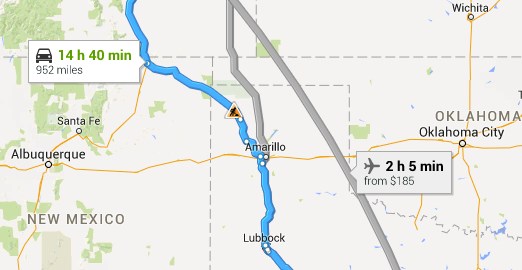
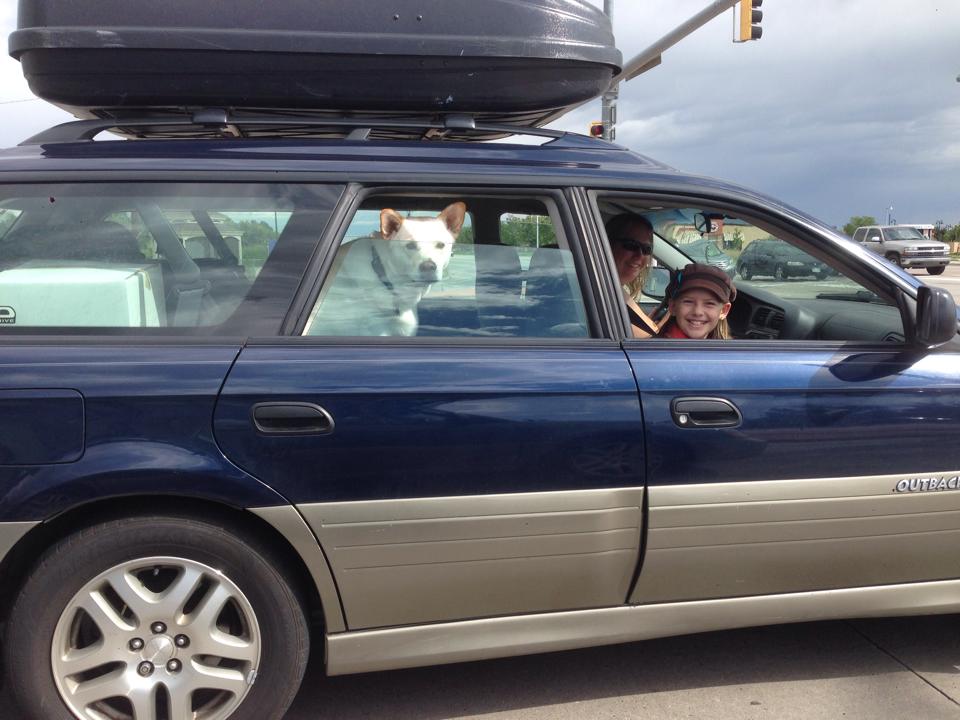
But then a REAL opportunity happened. Yikes! It was exciting and scary all at once. Of course, we live in different times than our ancestors. Most of the moving hassles were taken care of by my husband’s new job, things like flying to Texas to shop for a house, then packing, loading and unloading the truck, driving the truck to Texas, and so on. We could have had our cars shipped, our pets and ourselves flown. However we had too many plants and other things the movers wouldn’t move so we opted to take a road trip in our two cars with 2 kids, 3 cats, 1 dog, and miscellaneous items. It was Labor Day weekend so we had a couple of extra days to kill between being out of our old house and closing on our new one. We stayed with family for a few days but then ventured on where we stayed in 2 hotel rooms with 4 humans and 4 pets. Let’s just say that was an ADVENTURE! The next morning at 7:30 am we loaded everyone up, met our realtor, signed papers, waited for the funding to go through and then finally, around noon, got our keys. Let’s not mention how hot it was (90+ degrees) while we had 4 humans and 4 pets in two cars, waiting for our keys.

My car load, photo by my husband in the other car.
Cat is my copilot!
Cat is my copilot!

Once we had our keys and we unloaded our stuff, our pets and our kids we went over to the school to get the kids enrolled. Since we were leaving Colorado two weeks after their school started, and only one week late for Texas, they got a couple of extra weeks of summer vacation. They started school the next day. We also still had to wait for our moving truck to arrive. Luckily they arrived the next day as well so we only spent one night on air mattresses.

While all of that was full of hassles and stress, it really did go pretty smoothly. Let’s think about it… We drove a car, with air conditioning, and made the trip in two days. Gas stations, rest areas, restaurants and other stores along the way provided for any needs we had. We had all of our belongings in a big truck also headed to Texas. Our ancestors? They would have only brought what was completely necessary and the journey took weeks (maybe months depending on where they were going) through the elements, with only what they could carry or fit in their wagon. They likely walked all or part of the way over rough roads or no roads at all. The farther back in time, the harder it likely was. There was no roadside assistance. There may have been Indian attacks, wild animals, disease or injury, hunger/starvation, and in many cases they didn’t all make it.

My point is, if our ancestors moved, it was a much bigger “deal” than it is today even when I consider our move a “big deal.” They didn’t do it without a lot of consideration and preparation. (Unless they were running from the law, perhaps.) In our case, studying the social history of the area is not going to clue anyone in on why we moved. Perhaps there will be archived versions of everyone’s Facebook pages, Twitter feeds, LinkedIn accounts and other social media outlets. Those are serving as today’s diaries. If future generations have access to these types of records they can probably figure out why we moved.

My husband's Facebook status declaring we'd moved.
My husband’s Facebook status declaring we’d moved.

Pondering the possible motives of our ancestors’ movements can add life to the names and dates and can give meaning to what might otherwise not make any sense. Beware of declaring anything as fact unless you have writings from ancestors. Most of what I “decide” about my ancestors’ motives is of course speculation and is usually based on clues, but rarely does anything say something so clear as my husband’s Facebook status declaring that he had changed jobs and we’d likely be moving or the image to the left that states exactly what day we left our home.

While I don’t have archived social media information for my ancestors (i.e. diaries or letters), it is pretty clear that they moved for some reason and the reason had to be a good one for them to have gone through all that they did. And while I may never know their true reasons, I know what motivates me and my family to pick up and move: a better job and adventure.

Lessons from Moving: Part 1

The boxes we still haven't unpacked.
The boxes we still haven’t unpacked.

I’ve noticed in my research that I am intrigued by the motives behind my ancestors’ actions. Mostly I am curious about why they chose to move from one place to another, why they went with who they did, why they chose that location, and so on. I don’t think we can ever really know without having a diary or letter describing the whys in their own words, but with careful research and analysis we can make some educated guesses. For me, I often turn to my own life when I ponder on the actions of my ancestors, at least as a starting point. While this can be affected by “presentism” (thinking about past events with a modern mindset), it is all I really have to go on when trying to determine someone’s possible motives. I ask why do I do whatever it is my ancestors did: Why did I move?

Our family's first crossing into Texas when we moved September 2014.
Our family’s first crossing into Texas when we moved September 2014.

My family and I just made a very large life-upheaving move last September. We didn’t just move from one town to the next. We moved from Colorado to Texas! The motive? My husband got a new, better job. I think we all also needed a change. From my husband’s old job to my son’s dislike of school, it just seemed like we all needed something new; it didn’t feel like we were growing, just staying the same. So, a new state, a new school, a new house, a new grocery store, new weather and new genealogy societies.

I could list all of the differences we’ve had to get used to, from political attitudes to the traffic patterns to the weather, but I won’t. Over the next few posts I will share a few of the things I’m learning about moving as it relates to genealogy, my genealogy business and understanding my ancestors.

Been Travelin’ … and it’s not over!

The months of April, May and June have been the busiest I have had as far as travel is concerned. I have been on the road more than I’ve been home! A short recap of my April adventures include:

  • The Ohio Genealogical Society’s Annual Conference in Columbus where I got extremely soaked with my friend Beth Benko trying to get back to the car during a storm, and had excellent Thai food with Beth, Judy Russell and Jay Fonkert. (Great suggestion Jay!) And while on the way to Ohio, had the opportunity to meet up with my friend Mark Lowe for dinner! (Great seeing you Mark!)
    Dinner with Mark Lowe at Cracker Barrel in Whitehouse, TN
    Dinner with Mark Lowe at Cracker Barrel in Whitehouse, TN

    My name badge from OGS, my FIRST to use the post-nominals!
    My name badge from OGS, my FIRST to use the post-nominals!
  • A very brief trip to visit some family in NW Ohio since I was “in the area” for the OGS conference where I visited the grave of my War of 1812 ancestor and his wife and daughter, found a one-line sentence in a newspaper article that would have been great to have included in my BCG portfolio, and got DNA from my 89 year old grandma.

    William R. H. Avery, War of 1812 soldier, on the right
    William R. H. Avery, War of 1812 soldier, on the right
  • What has been named the “Quilting Bee” which is really a family reunion between the cousins of the Taplin and Ricard families at a lovely little farmhouse near Waterville, Kansas where I slept in very close quarters with family members I barely knew (but know a lot better now!), met some really fantastic cousins (on my husband’s side), heard a million stories about his side of the family (but they were flying by so fast there’s no way I could capture them all and so next year I am making sure he attends this event himself), ate a delicious “milk can dinner” prepared by my father-in-law, George, and learned a lot about quilting.

    The men pouring out the food prepared in a milk can. Delicious!
    The men pouring out the food prepared in a milk can. Delicious!

These travels have been very fun, educational, and exhausting. I was able to meet up with old and new friends, listen to some great lectures, eat some yummy food, and see some beautiful scenery on my drives. Since moving to Texas, all of my road trips now take different paths and go through different states than I am used to. (I never knew Arkansas was so beautiful!)

The travel is only just beginning, however. Next week I’m at the National Genealogical Society, after that, 2 family trips, GRIP, Seattle, and Salt Lake City! (You can see the full details of my plans in the previous post.) My point in mentioning this is that my blog posts are going to be a little more sparse. I’d like to say I’m going to blog at least once at each event, but I know myself. I’m too busy socializing and then struggling to get enough sleep that I never manage to find the time. (I really need that 8 hours if I’m going to function properly!)

I hope you have some exciting travel plans visiting with family and friends with some genealogical research and conference attending mixed in!

Event Schedule for 2015

bigstock_calendar_54869811It just wouldn’t be right if I got this list out in January, or even before the new year started, now would it? Here are the genealogical events I plan to attend in 2015. This year’s schedule is light because of my recent move but I am networking and working at getting into the speaking rotation here locally (Austin, TX area) but for now, only a few lectures are planned this year so far. I do hope to see some of my friends and colleagues at some of these exciting events!

And just because I tend to miss getting this out before the year begins:

  • January 11-15, 2016 – I anticipate attending SLIG, hopefully taking the course “Corpus Juris: Advanced Legal Concepts for Genealogy” from Judy G. Russell OR “Writing a Quality Family Narrative” from John Colletta OR “Research in the South” from Mark Lowe OR … well, there are too many courses I’d like to take!

I hope to see you at one of these and I hope your genealogical year is as much fun as mine is looking to be!

GREAT NEWS: I did it!!!

colorlbcgsealfullLast week I got that email everyone who has submitted a BCG portfolio hopes to get… “Congratulations and welcome! I am delighted to report that your application for BCG’s Certified Genealogist credential has been successful.” Hallelujah!

What a journey! It began 10 years ago when my friend and mentor, Birdie Holsclaw, encouraged me to create a lecture describing all of the obituaries I had collected in my first few years of research. At that time it was somewhere over 100 (today it is closer to 300 but I lost an accurate count). A few years later, she suggested I look into Certification (from the Board for Certification of Genealogists) and think about working toward that goal. My friend Birdie died on 13 May 2010 from cancer.

Birdie_Russ-35thBday
Birdie and Russ Holsclaw at my 35th Birthday celebration, January 2009

After her death, I became sad whenever I tried to work on any of my genealogical research and so I spent some time away from it. But I loved it too much to stay away for long. In 2012 I got some renewed energy and decided to make it my full-time gig. GenealogyPANTS was born in March of 2012.

I decided that instead of being sad that Birdie was gone from our midst, I should do the things she thought I could do. I decided to pursue certification in her honor. If she thought I could do it, then I should do it. I should see if she was right. Along the way I met others who thought I could do it as well. The knowledge that someone is pulling for you, has confidence in you, and will stop what they are doing to send you an encouraging email or answer a question is a powerful thing. This knowledge helped me finish my portfolio. All of the things that these genealogists do for the genealogical community at large to educate us contributed to my success.

I am going to list some people here. So many people have shaped me in some way over the years that I can’t possibly name them all; just please know your contribution to my success did not go unnoticed or was unappreciated. In no particular order:

  • Angela McGhie for ProGen and all of my cohort from ProGen 16! (This amazing study group  helped me tighten up many areas of my portfolio.)
  • Tom Jones for all of the educational materials he has written over the years, classes and lectures he has taught, for answering several emails in super-quick fashion, and for just being one of the most approachable and patient people out there.
  • Judy Russell also for all of the educational materials you provide to us (via The Legal Genealogist blog and all of the lectures and classes) but also for being so clear AND fun in your lecture style. It makes learning about potentially boring topics so much fun and NOT boring. I mean we each have our interests, but Judy has the ability to make you really want to learn about historical laws and their genealogical impact even if you were an art major in college!
  • Elizabeth Shown Mills for all of the work she’s done on making citations understandable through not only her books but also her Evidence Explained website; also for her informative lectures and classes. I’m honored to have been among the last Course 4, Advanced Methods class at IGHR and I’m honored to have gotten the coveted “gold seal” AND the Walter Lee Sheppard Jr. Prize. I have to admit that the thought of “Elizabeth Shown Mills thinks I can do this!” really, REALLY helped me finish and succeed with my portfolio.
  • Dave McDonald also for the Walter Lee Sheppard Jr. Prize. It is people giving back to the genealogical community that really helps others succeed! [And I wanted to say thank you for your lovely tribute to Birdie at the 2012 NGS Birdie Monk Holsclaw Memorial Lecture. I bought the CD to your lecture titled “Maps! White Oaks, Gradients, Google, and more….” and listen to what you had to say from time to time. Very moving.]
  • Mark Lowe for being another one of those educators that just makes learning fun and for telling a great story every time he speaks. Mark can really get into the emotions of why genealogy is important. Also, for being so approachable, supportive and just a great genea-friend!
  • To my genealogy “support group” which consists of Annette Botello, Ruth Ratliff, Deb Skoff and Denise Miller. This group also included Birdie and she was always so encouraging to us when we met and so generous with her time. This group has been such a blessing to me not only genealogically but personally! Thanks you guys!

    PageTwoGroup
    My genealogy “support group,” February 26, 2010, from left to right: Annette Botello, Deb Skoff, Cari Taplin, Birdie Holsclaw, Denise Miller and Ruth Ratliff
  • To the members of the CERTS group I was a part of that included: Beth Benko, Kirk Patton, Deena Coutant, Harry Ross, Karlene Ferguson, Diane Barbour, Margaret Kadziel, and if there are others I’ve missed, please accept my apologies, but this group tended to morph a bit so I hope I didn’t miss anyone.
  • To my genealogy colleagues in Colorado. ALL of you whom I have had the pleasure of learning, interacting, working, and engaging with over the past 14 years. [I am not even going to try naming you all; you know who you are!]
  • Most of all to my husband, Seth, for being encouraging, for listening to rants, for tolerating genealogical tantrums, for bringing me food and coffee to keep me going, to all of the driving to cemeteries and libraries, and for taking care of kids so I could focus. [I love you!]

And so to conclude, I’m grateful. I’m grateful that this part of the process is over, I’m grateful for all of the support I’ve had and I’m grateful that I had the chance to know and work with and be friends with one of the best people on the planet. Plus, I’m so excited to start this next part of the genealogical journey, watch out!