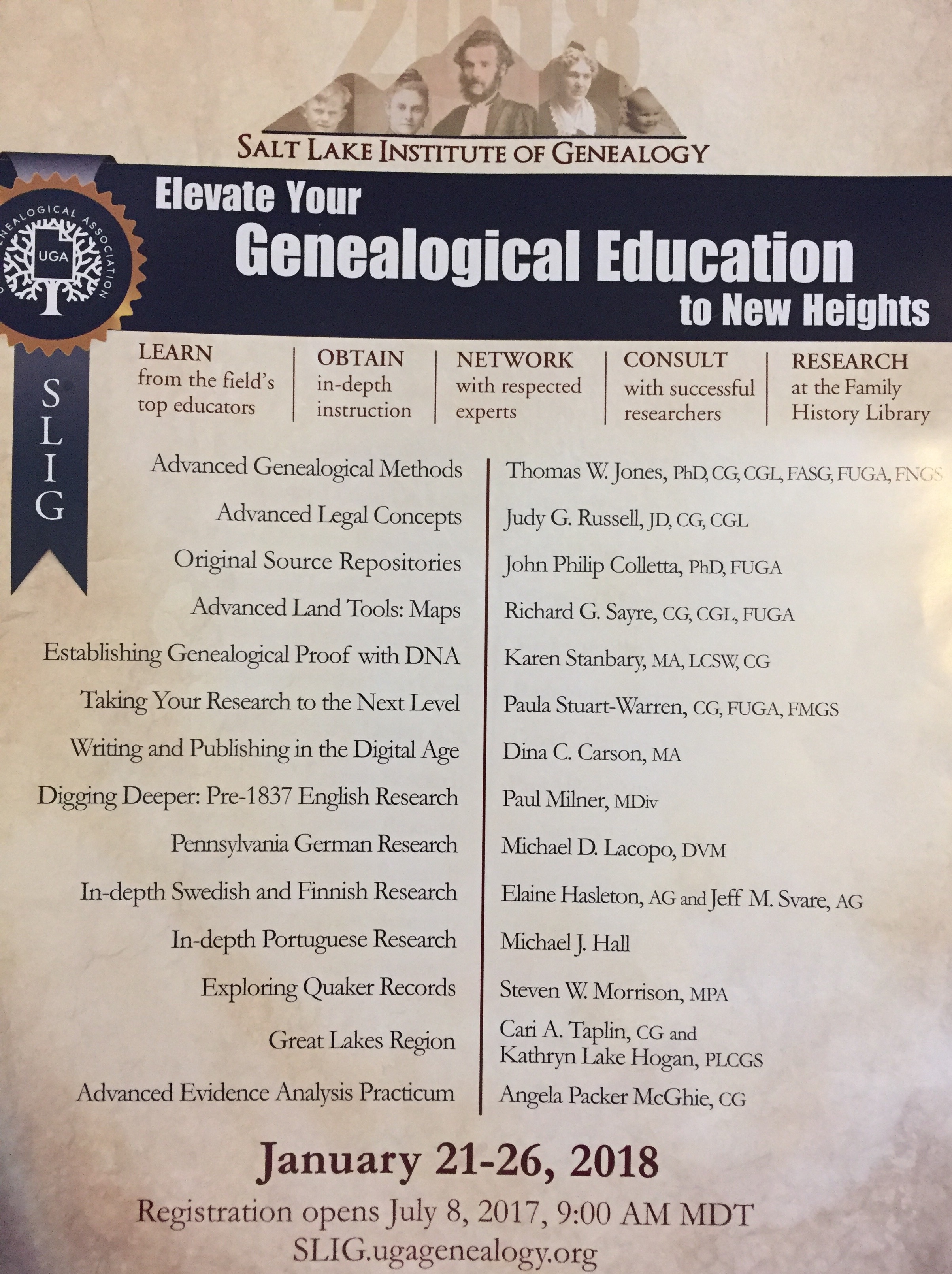
Before I continue on with the George Long discussion, I wanted to take a moment to share some details about something that is coming up. Registration is open for GRIP Genealogy Institute.
I have the great pleasure to coordinate a course on the Great Lakes, and I wanted to share some information about the course’s contents and why it is an important region for genealogical research. I grew up near Lake Erie and enjoyed learning about the history of the area when I was a kid (well, to be honest, I didn’t retain a lot, what child really does?) but I appreciate it more now as an adult learning about my ancestors and how the region affected them and their livelihoods.
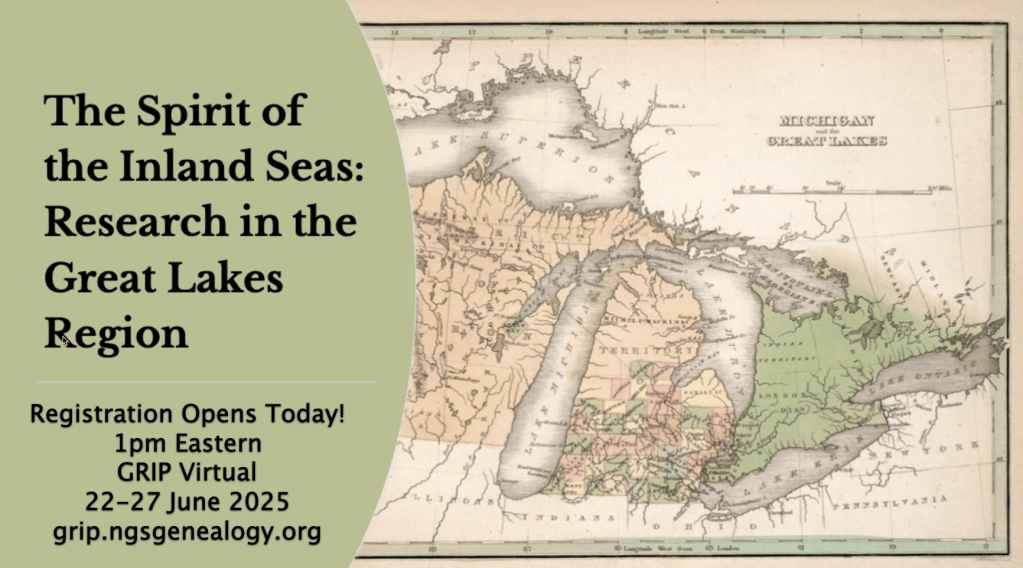
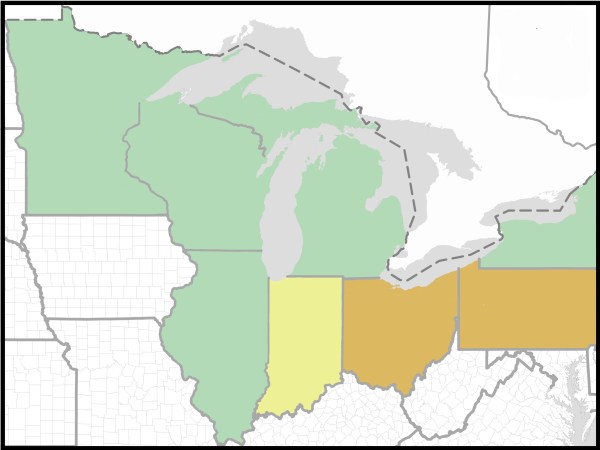
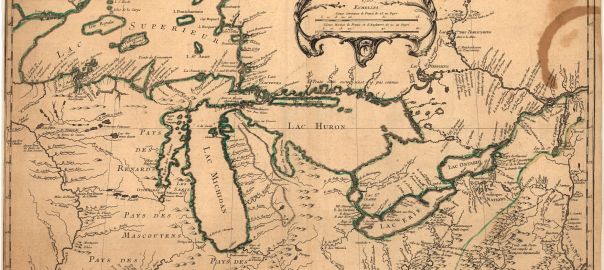
The lakes served as a vital transportation route that contributed to the westward expansion of the U.S. and Canada. If you had ancestors that lived around the lakes, they were likely impacted by the lakes’ usefulness in some way. Shipping routes and advancements in shipping technology, both for resources and people, contributed to the growth of the region. The fluidity of the border between the U.S. and Canada allowed border-dwellers to cross often for commerce, trade, occupations, shopping, attending church, and so on. Border crossing requirements were not put into place until the mid-1890s. The course will walk attendees through not only the history of the area but also has a deep focus on records in terms of what is available and how to access them.
I have a fantastic team of women teaching in the course with me: Cyndi Ingle, Paula Stuart-Warren, and Judy Russell. We will join forces to bring this important area to life through the following topics:
The sessions, and a bit about each:
- Early to 1850s Geography, History, and Migration – Cyndi Ingle, in which she starts the day off with the early Mesozoic Period and brings us into the 1850s.
- 1850s to Modern Geography, History & Migration – Cari Taplin, in which I get the better deal and only have to cover about a century of history.
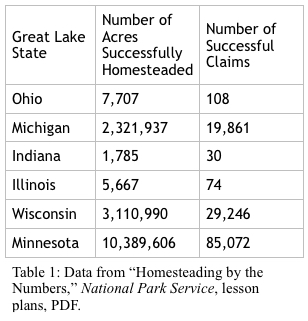
- Cash, Bounty, Homestead, and Timber: Land in the Great Lakes Region – Cari Taplin. I will discuss the ways in which settlers obtained land, the resources they discovered, and records for both the U.S. and Ontario.
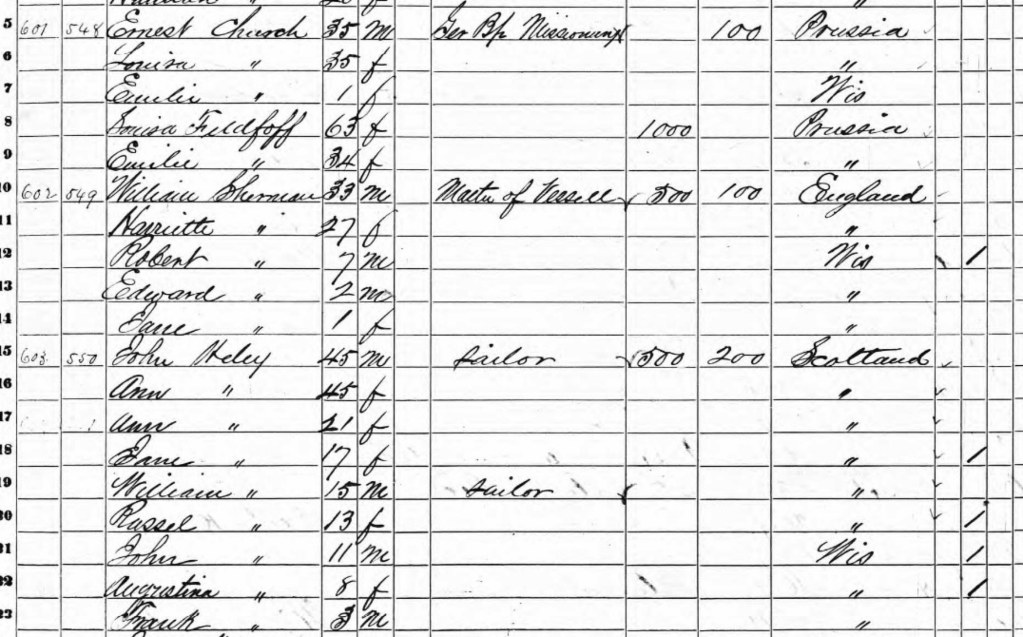
- Census Records in the Great Lakes Region – Cari Taplin. We all probably know all about census records, but this presentation will dig deeper into the censuses and census issues particular to this region, examining both countries’ records, and we will discuss some helpful methodologies for using censuses in this region.
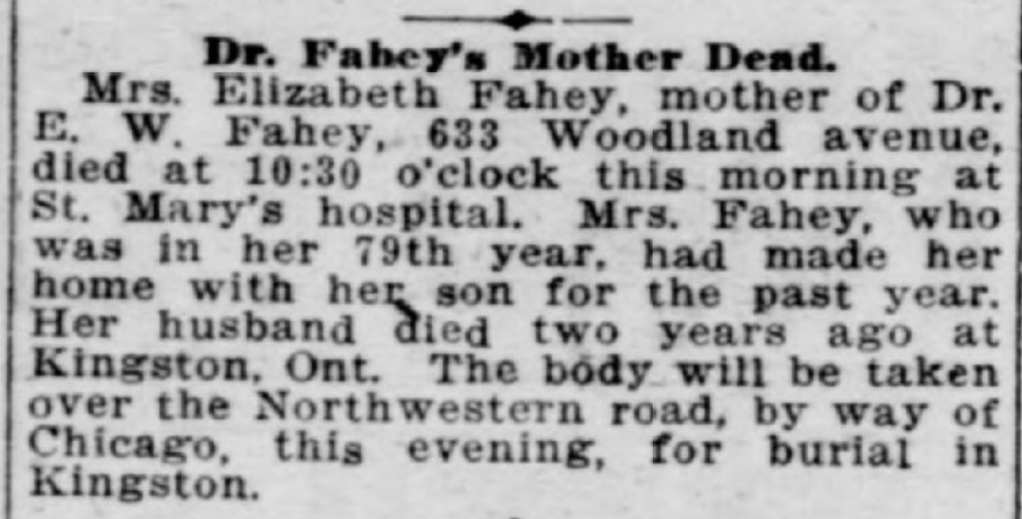
- Finding Birth, Marriage and Death Records in the Great Lakes Region – Cyndi will take a deep dive into vital records and alternative records for the times before vital registration was required. She will help students find challenging records for births, marriages, and deaths in both the U.S. and Ontario.
- Crossing the Border Between the United States and Canada – Cyndi walks the class through the many records that are available regarding border crossings, including the St. Albans List.
- Steamers, Tugs, and Schooners: Shipping and Commerce on the Great Lakes – Cari Taplin. This is quite possibly my favorite topic in the Great Lakes course. The Great Lakes waterways were instrumental in the growth of the region, for both Canada and the United States. In this class, we will examine the major shipping routes and ports, discuss passenger lists, shipwrecks, military defense, and transportation, and how that led to population growth. We will also talk about the major businesses that boomed with the expansion of shipping on the lakes.
- Military Records on Both Sides of the Conflict – Cari Taplin. From the Revolutionary War to the War of 1812, and on to present day, we will discuss the Great Lakes region in terms of defensive strategies for military conflicts, but also about the records that exists for soldiers who moved to the area and left records.
- Paupers, Pews & Planks: The Law of the Great Lakes – Judy Russell is as entertaining and educational as ever as she walks us through the laws in the Great Lakes region. She will discuss law issues from its origins in the Northwest Territory through individual territorial legislatures and on through statehood. The law of the Great Lakes Region has reflected the particular needs and concerns of its people and its economies. Most importantly, Judy will guide students to resources where they will be able to find the law applicable to genealogical questions at various times in the region’s history, with examples of how knowing the law can help explain records and solve genealogical problems.
- On a Mission: Religion in the Great Lakes Region – Cari Taplin. Some of the earliest settlers and explorers in the Great Lakes were missionaries of various faiths, looking to convert the native tribes and indigenous peoples living in the area. This class will focus on major religions in the Great Lakes region, a history and timeline of their arrival and expansion in specific areas, and will include a discussion on the main denominational repositories for research.
- Tracing French Canadian Ancestors – Paula Stuart-Warren will cover the important topic of the French Canadians in the Great Lakes region. If you have an ancestor from a Great Lakes state or province, it’s likely you have found a French Canadian connection. Your German or British Isles ancestor or their sibling may have married into a French Canadian family. Whichever is the case, the records are amazing; the names of parents are generally found. Learn about the general history of the people, the fantastic records created, the books and online resources, the repositories, and meet some new cousins.
- Researching in Ontario – Paula Stuart-Warren. Ontario is the only Canadian province to border the Great Lakes. Paula will walk students through researching in this important province. She will talk about the major resources that are available to researchers with connections to Ontario.
- Great Lakes Newspapers: Defy the Borders – Cari Taplin. We will discuss the importance of newspapers in the Great Lakes region and how the news did not pay attention to the borders. We will discuss the importance of newspapers in the daily lives of our Great Lakes ancestors, and what riches can be unearthed between the sheets of newsprint. The availability of U.S and Canadian newspapers in the Great Lakes Region repositories will be shared.
- Naturalization and Citizenship in the U.S. & Canada – Paula will share information about migration between Canada and the United States, and as it progressed, new residents may have become citizens. This process was important to immigrants in order to assimilate into their new home, obtain land, vote, and take part in other government programs. This class will discuss important aspects of the naturalization process focusing on the Great Lakes region. First papers, declarations, final papers, passports, and other records useful for tracking down immigrant ancestors will be examined and methods for locating those records will be discussed.
- Beyond Shipping: Making a Living in the Great Lakes Region – Cyndi will discuss the unique occupations in the Great Lakes region. Occupations went far beyond shipping and fishing. Farming, trapping, mining, timber, and railroads drew our ancestors to live and work in this area too. She will discuss the history of various industries that helped grow the area.
- Major Archives and Libraries in the Great Lakes Region and their Fantastic Records – Cyndi will focus solely on repositories in this session. The research repositories in the area offer extensive in-house and online material for family historians. We’ll cover some at local, provincial, state, and country level. Overlooked treasures offer information that just might fill in those missing family details.
- Mapping the Great Lakes using Google Earth – Cyndi will dazzle and amaze us with the capabilities of Google Earth and demonstrate how to create migration maps, plot out land owned by our ancestors, and make historical map overlays to show the changes in the Great Lakes region over time.
- Bringing it all together: Two Case Studies – Captain Stephen Meeker, Sailor on the Great Lakes, and Those Loyalist Taplins – Cari A. Taplin. I finish out the week by sharing two Great Lakes families I continue to research. First, we will examine sailor, Captain Stephen Meeker, descendant of sailors and shipbuilders, who successfully brought the Percival Roberts through a storm. Second, follow the migration of the Taplin family around the Great Lakes as they arrived in the U.S., moved to Canada to avoid the Revolutionary War and ended up in Minnesota and Wisconsin around the time of the Civil War.
We do hope you will join us for a week full of fun and genealogy!
Visit this website for more information and to register: https://grip.ngsgenealogy.org
 Genealogy Pants