I had the absolute pleasure and surprise of being invited to visit the Special Collections at Southwestern University in Georgetown, Texas. The archivist, Megan Firestone, found my name on a list of researchers and invited me up…and of course I accepted! She is an absolute gem and I’m so glad I visited.
I received a lovely tour of the reading room and a peek into some of the backrooms!
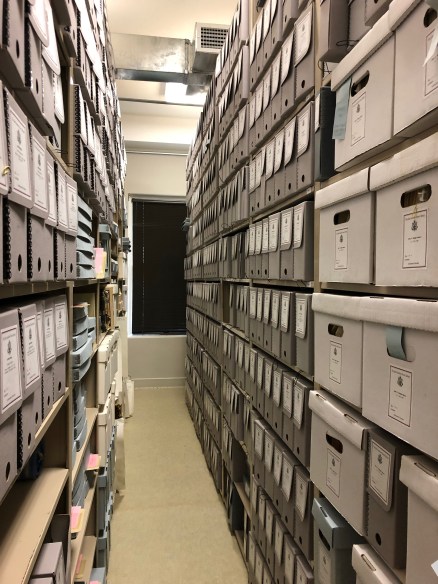
This week I visited again with a goal in mind. I asked if they had any old scrapbooks or autograph books. I was not disappointed. After looking at the finding aids and emailing with Megan to decide on what I’d like to see, I made another visit to the archive where they had a large cart of items waiting for me.
I will share a few exciting things here:
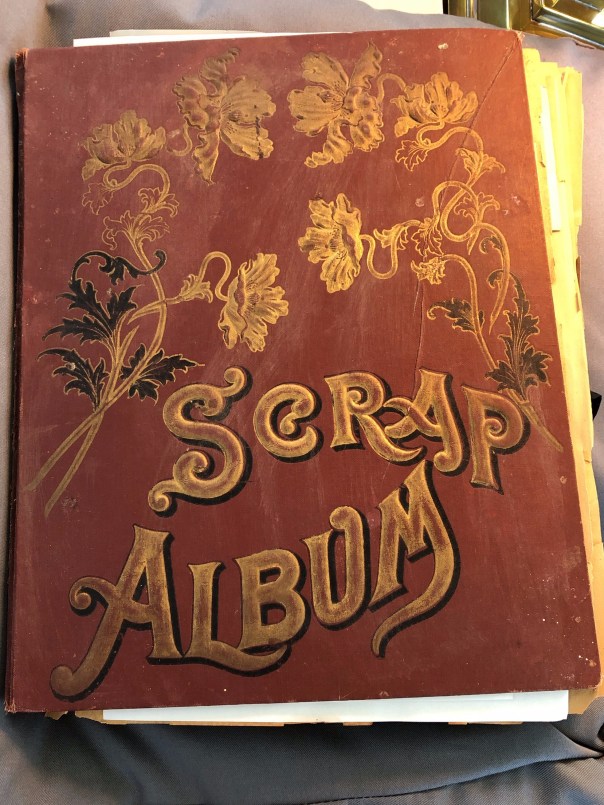
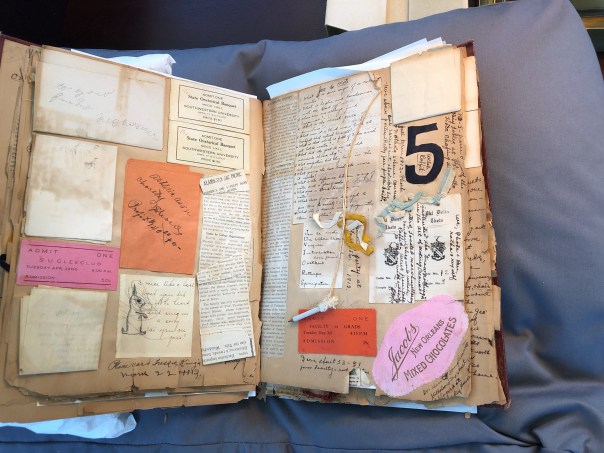

I saw so many cool and interesting items. More than I can really share in one post. I will likely highlight some other items in future posts.
I really want to encourage genealogists to visit an archive near you. You do not need to have a research project in mind. Check their website for a catalog or finding aid. Find a topic of interest to you, whatever it might be. Communicate with the archivist, as they might know of items that haven’t been cataloged yet. But go and look at these lovely original treasures.
There is nothing like looking at old letters, scrapbooks, and ephemera that delves into a person’s life in much more detail than a vital record or census enumeration. You get a sense of people’s personalities and some really specific details about their lives. Of course, the trick is finding the items, boxes, and papers that apply to your family, but I believe your research experience can be enhanced by looking at any item in the archive. Rather than looking for a person, search by topic, such as scrapbooks, farming, women’s issues, and so on. Give it a try.
Get out there!

 One of my favorite things to do when researching at a local public library is to examine pages named “digital collections” or something similar. Today, I happened upon a new collection at the Buffalo and Erie County Public Library:




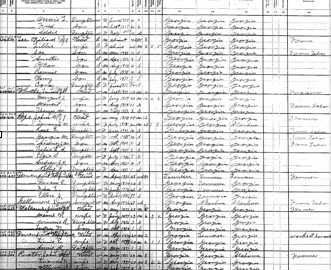
 After our tour through some of my favorite census hurdles, let me sum up with some of my corresponding tricks for dealing with them.
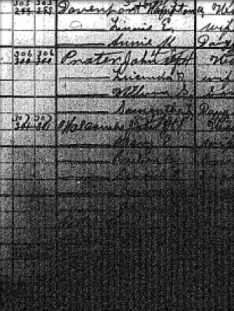

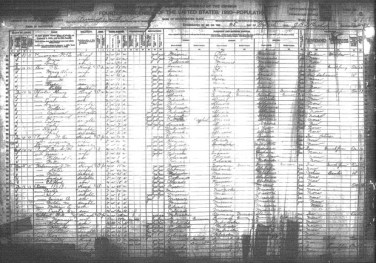
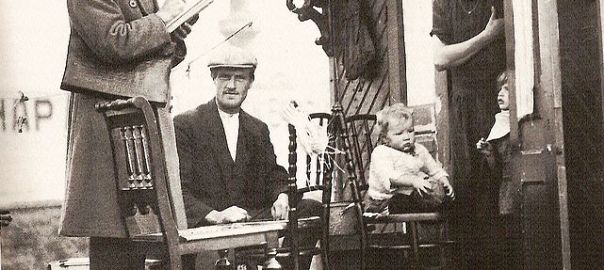
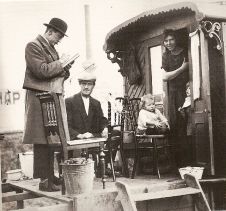 You might think that your ancestors were always home when the census taker knocked on the door. Or that they all sat down, had a cup of coffee or tea while they cooperated completely with the census taker’s questions. Honestly, we have no idea what happened. With the exception of the 1940 census, we have no idea who gave the information to the census taker. We don’t know if it was the head of household, his wife, one of the children, a neighbor, or if the census taker made it all up. We just don’t know.