It just wouldn’t be right if I got this list out in January, or even before the new year started, now would it? Here are the genealogical events I plan to attend in 2015. This year’s schedule is light because of my recent move but I am networking and working at getting into the speaking rotation here locally (Austin, TX area) but for now, only a few lectures are planned this year so far. I do hope to see some of my friends and colleagues at some of these exciting events!
September 21-25 – attending British Institute for the first time, Salt Lake City
September 26-Oct 3 – research time at the Family History Library, Salt Lake City
And just because I tend to miss getting this out before the year begins:
January 11-15, 2016 – I anticipate attending SLIG, hopefully taking the course “Corpus Juris: Advanced Legal Concepts for Genealogy” from Judy G. Russell OR “Writing a Quality Family Narrative” from John Colletta OR “Research in the South” from Mark Lowe OR … well, there are too many courses I’d like to take!
I hope to see you at one of these and I hope your genealogical year is as much fun as mine is looking to be!
Last week I got that email everyone who has submitted a BCG portfolio hopes to get… “Congratulations and welcome! I am delighted to report that your application for BCG’s Certified Genealogist credential has been successful.” Hallelujah!
What a journey! It began 10 years ago when my friend and mentor, Birdie Holsclaw, encouraged me to create a lecture describing all of the obituaries I had collected in my first few years of research. At that time it was somewhere over 100 (today it is closer to 300 but I lost an accurate count). A few years later, she suggested I look into Certification (from the Board for Certification of Genealogists) and think about working toward that goal. My friend Birdie died on 13 May 2010 from cancer.
Birdie and Russ Holsclaw at my 35th Birthday celebration, January 2009
After her death, I became sad whenever I tried to work on any of my genealogical research and so I spent some time away from it. But I loved it too much to stay away for long. In 2012 I got some renewed energy and decided to make it my full-time gig. GenealogyPANTS was born in March of 2012.
I decided that instead of being sad that Birdie was gone from our midst, I should do the things she thought I could do. I decided to pursue certification in her honor. If she thought I could do it, then I should do it. I should see if she was right. Along the way I met others who thought I could do it as well. The knowledge that someone is pulling for you, has confidence in you, and will stop what they are doing to send you an encouraging email or answer a question is a powerful thing. This knowledge helped me finish my portfolio. All of the things that these genealogists do for the genealogical community at large to educate us contributed to my success.
I am going to list some people here. So many people have shaped me in some way over the years that I can’t possibly name them all; just please know your contribution to my success did not go unnoticed or was unappreciated. In no particular order:
Angela McGhie for ProGen and all of my cohort from ProGen 16! (This amazing study group helped me tighten up many areas of my portfolio.)
Tom Jones for all of the educational materials he has written over the years, classes and lectures he has taught, for answering several emails in super-quick fashion, and for just being one of the most approachable and patient people out there.
Judy Russell also for all of the educational materials you provide to us (via The Legal Genealogist blog and all of the lectures and classes) but also for being so clear AND fun in your lecture style. It makes learning about potentially boring topics so much fun and NOT boring. I mean we each have our interests, but Judy has the ability to make you really want to learn about historical laws and their genealogical impact even if you were an art major in college!
Elizabeth Shown Mills for all of the work she’s done on making citations understandable through not only her books but also her Evidence Explained website; also for her informative lectures and classes. I’m honored to have been among the last Course 4, Advanced Methods class at IGHR and I’m honored to have gotten the coveted “gold seal” AND the Walter Lee Sheppard Jr. Prize. I have to admit that the thought of “Elizabeth Shown Mills thinks I can do this!” really, REALLY helped me finish and succeed with my portfolio.
Dave McDonald also for the Walter Lee Sheppard Jr. Prize. It is people giving back to the genealogical community that really helps others succeed! [And I wanted to say thank you for your lovely tribute to Birdie at the 2012 NGS Birdie Monk Holsclaw Memorial Lecture. I bought the CD to your lecture titled “Maps! White Oaks, Gradients, Google, and more….” and listen to what you had to say from time to time. Very moving.]
Mark Lowe for being another one of those educators that just makes learning fun and for telling a great story every time he speaks. Mark can really get into the emotions of why genealogy is important. Also, for being so approachable, supportive and just a great genea-friend!
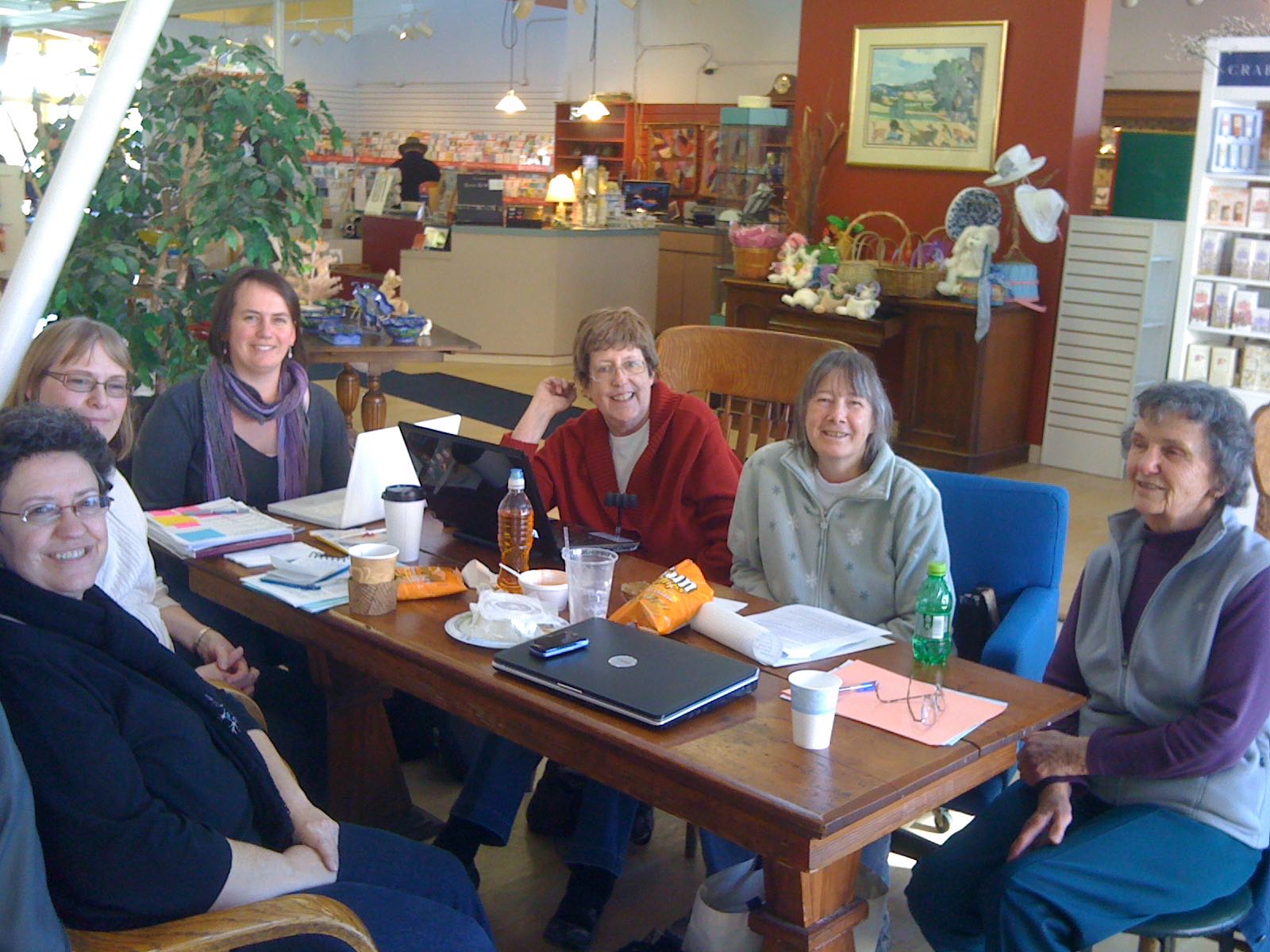
To my genealogy “support group” which consists of Annette Botello, Ruth Ratliff, Deb Skoff and Denise Miller. This group also included Birdie and she was always so encouraging to us when we met and so generous with her time. This group has been such a blessing to me not only genealogically but personally! Thanks you guys!
My genealogy “support group,” February 26, 2010, from left to right: Annette Botello, Deb Skoff, Cari Taplin, Birdie Holsclaw, Denise Miller and Ruth Ratliff
To the members of the CERTS group I was a part of that included: Beth Benko, Kirk Patton, Deena Coutant, Harry Ross, Karlene Ferguson, Diane Barbour, Margaret Kadziel, and if there are others I’ve missed, please accept my apologies, but this group tended to morph a bit so I hope I didn’t miss anyone.
To my genealogy colleagues in Colorado. ALL of you whom I have had the pleasure of learning, interacting, working, and engaging with over the past 14 years. [I am not even going to try naming you all; you know who you are!]
Most of all to my husband, Seth, for being encouraging, for listening to rants, for tolerating genealogical tantrums, for bringing me food and coffee to keep me going, to all of the driving to cemeteries and libraries, and for taking care of kids so I could focus. [I love you!]
And so to conclude, I’m grateful. I’m grateful that this part of the process is over, I’m grateful for all of the support I’ve had and I’m grateful that I had the chance to know and work with and be friends with one of the best people on the planet. Plus, I’m so excited to start this next part of the genealogical journey, watch out!
Maybe you just don’t have time to do any of the options I’ve described in this series of blog posts. If so, then maybe you can work a little charitable giving into your budget. There are three distinct ways that come to mind if giving money is your preferred method of giving back to the genealogical community:
There are hundreds, if not thousands, of genealogical societies across the United States, not to mention around the world. Perhaps you are a member of one or maybe you know of one in your area. Maybe you need to look one up. I know many genealogists are members of more than one society. I am a member of some in my local area as well as in areas in places where I research. Many of these societies are 501c3 organizations meaning they are non-profits and your contribution is tax-deductible. At the very least, you could consider becoming a member of one or two (or more) of these societies. Your membership fees help societies offer free programs and genealogical education to the public. To find a genealogical society, use the Federation of Genealogical Societies’ database or do a Google Search for your area.
There are a number of genealogical scholarships available. They are not all always well publicized but there is a good list of some on Cyndi’s List. You could also decide to set one up yourself for a specific reason, in memory of someone, to send someone to a specific conference or institute each year, and so on. Or you could donate to a society or other body that already has a scholarship fund. This promotes mentorship and genealogical education at a higher level.
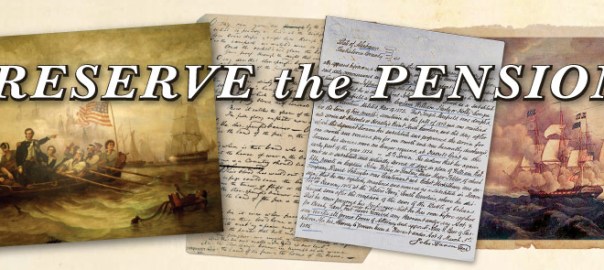
My current favorite, one that will have a lasting effect on the genealogical community at large, is to donate to the Preserve the Pensions campaign. This project is seeking funding to digitize and make freely available through Fold3.com, the pensions of soldiers who served in the War of 1812. As of this post, the project is 50% funded. Ancestry.com has generously agreed to match funds, so your dollar goes twice as far!
So, if you can spare some money, there are plenty of genealogical needs that could benefit from your generous donation. Consider one of the above if cash is your preferred method of “giving back.”
Let me just start by saying this one may not be for everyone. This option may take a little more technical skill than some are capable of or interested in. It requires you to be able to edit and maintain a website. This blog post is not going to go into the technical aspects of how to do this. If you already know how, great. If you are interested in doing it but don’t know how, there are plenty of online tutorials you can locate and maybe even some local classes to get you going. I will be highlighting a couple of projects that could use you. (Also, this is another one of those volunteering projects that can be done in your jammies!)
Actually … you can still help out if you don’t have the technical skills necessary; keep reading.
Many researchers know about the GenWeb project. There are two GenWeb options:
The US GenWeb covers all 50 states, at the state level and then with sites specific to most counties. The World GenWeb is similar in that it is broken down by region, country and then county, providence or other civil district type. Another website that is similar in structure is called Genealogy Trails and is dedicated to “keeping genealogy free.” It too is broken down by state and county. Both of these are run completely by volunteers and they are all constantly in need of people willing to maintain them.
These sites are only as good as those who contribute to and maintain them. You can elicit contributions from users as well as develop your own content. This doesn’t have to be a project where you provide all of the information posted on the site. The idea of these sites is that the information that is gathered is free for all to use. With that in mind, you have to be aware of copyright and don’t post things that aren’t in the public domain or of your own making (or that of another volunteer.)
Perhaps you don’t have the technical skills to be the website editor, YOU CAN STILL HELP! If you can type, you can contribute by transcribing records such as those found in a local courthouse, church, cemetery, library, etc. Things that are helpful are obituaries, death records, birth records, marriage announcements, baptisms, and so on. You can contact the manager of a county site and discuss project specifics such as what format to submit your transcriptions in and so forth.
Many of us started by searching some of these free sites, hosted by volunteers who have contributed countless hours for our benefit. If you have the skill, consider giving back by hosting, editing, maintaining or contributing to a genealogy website.
Genealogy is a very collaborative activity. Think about every book you’ve accessed, every online site you’ve used, every lecture you’ve attended on genealogy. All of these were prepared by, indexed by or written by someone: a genealogist who wants to help you. (Ok, we could argue that big corporate sites like Ancestry.com and others are interested in their shareholders and the bottom line, but even those sites started somewhere with one person’s idea and a common goal of sharing genealogical research with others.) Generous genealogists spend hours in front of microfilm readers, in local archives, in cemeteries and elsewhere to put together many of the indexes we use everyday to move along our research.
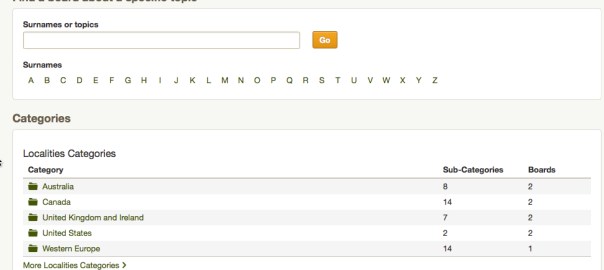
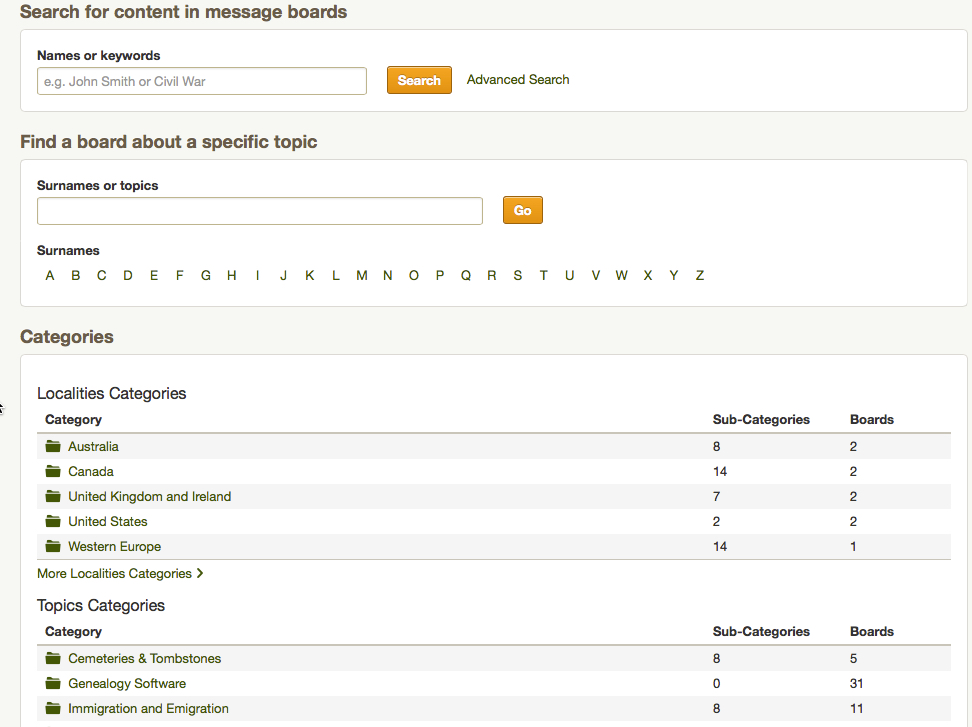
Another way you can assist other researchers from the comfort of your own home, or through visiting local repositories on occasion, is by monitoring an online message board such as the combined boards at Ancestry.com and Rootsweb.com. These boards are organized by topic, surname or location. By watching the boards that interest you and sharing your expertise and/or offering to do look-ups (if you are willing to do that) you can answer researchers very specific questions or help them think of other avenues to research.
When I lived in Boulder County, Colorado, I monitored the list and volunteered to do look-ups, usually obituaries, to assist other researchers. (Since I moved, I am in the process of learning how I can do this in my local area.) I also watch surname boards for names I have in my own research to try to connect with other researchers working on the same line and to potentially answer questions I had perhaps already solved.
This option does not take up very much time, depending on the geographic locality or how many message boards you decide to help out. In Boulder, I may have had months with no questions or requests and then some months might have had 3 or 4. Plus you can choose not to answer them if the month is busy for you. This volunteering option is probably one of the least restrictive.
So, think about this as an option for helping fellow researchers. In our age of the Internet and fast communication, it is so much easier to collaborate and share information than it ever has been. Continuing in the collaborative and cooperative tradition of our genealogical forebears keeps the field of genealogy one of mentorship, and upon that friendships are built and cousins are found.
I work from home. My commute is the 60-90 seconds it takes me to fill my coffee cup and head to my office. I am not too proud to admit that I sometimes trade my jammies for sweatpants. Sometimes, on particularly chilly, rainy days when I have no plans on leaving the house, I have been known, on occasion, to stay in my jammies. It’s one of the perks of working from home.
Another way to “give back” to the genealogical community, AND STAY IN YOUR JAMMIES, is through online indexing projects. Sometimes these might be sponsored by a local or state genealogical society. However, the largest online project is through FamilySearch Indexing. Since 2006, FamilySearch Indexing has been hosting indexing projects of thousands (millions?) of digitized records. (Their wiki page says they began this in 2006 but I recall that I was in attendance in 2005 at the Federation of Genealogical Societies Conference in Salt Lake City when they unrolled this to the public at a conference and I was among the first round of public volunteers to sign up.)
I am not going to describe the technical requirements to get started. Those can be found here. Let me just say that the process is very simple and can be done on either a Mac or PC. Once you sign up to be an indexer, you download a program that will allow you to choose from a variety of projects and then will download your batch of records to be indexed. Each and every project comes with its own set of instructions and help files, so don’t worry. If you are thinking, I don’t think I know how to do that, I encourage you to at least read about it and try it to see if you like it.
A few things that I have learned from doing this since 2005:
It takes a while to get more proficient at using the software, understanding the instructions, understanding how to download a batch, and so on. So the first few batches you do might take longer than you would like them to. Give it some time before you decide if you’d like to participate or not.
Since I have been doing the indexing with FamilySearch, I have become a lot better at reading old handwriting. If you find that you read a lot of old documents, there is nothing like transcribing and indexing to really make you see and understand that old script.
Working on a project like this can be a great way to challenge yourself. The program has a feature that allows you to set goals and keep track of how many names/records you’ve indexed. Setting a weekly, monthly or yearly goal is a lot of fun, if you are that kind of person. I enjoy seeing my numbers.
When you are using the FamilySearch Records (the portion of the site where you can actually see the digitized records) and you see that camera icon (meaning there are actual pictures of the documents) and then you see “Browse Images” or a number of records available, that tells you if the project has been handled by the indexing program. Often, I find the records I’d like to use have not been indexed yet. By giving up 5, 10, 20, 30 minutes of my day, I can advance a project that will eventually get posted to the Records section and this makes me feel like I’ve helped out other researchers. Goodness knows they’ve helped me!
Dang, those records haven’t been indexed yet!
FamilySearch is not the only project out there. Some other projects to examine are:
BillionGraves – tombstone transcriptions of photos previously submitted
One of my favorite ways to “give back” is through cemetery photography. You are likely familiar with the websites Find-A-Grave or Billion Graves. These sites are collections of cemeteries, tombstones, transcriptions, and photographs that are available to researchers far and wide. These sites didn’t create themselves, however. They are the product of thousands of volunteers all over the world. I know I use the site all of the time, especially for those ancestors in Ohio or Missouri or Illinois in far-flung places that I will probably never get to. Thanks to all of those volunteers, I can see their tombstones with a few clicks of a mouse.
I won’t go into all of the ways you can use these sites for your research; that’s a whole different set of blog posts. I will tell you how I use them to “give back” to the genealogical community. I’m going to focus on Find-A-Grave although similar things can be done with Billion Graves, you’ll just need to check into it if that’s your app/site of choice. I find myself using Find-A-Grave a lot more often, but that doesn’t make one any better or worse than the other. Also, you don’t have to use one of the apps at all, you can use a digital camera and upload the photos from home. Or you can do this with a local genealogical society.
Find-A-Grave and Billion Graves both have apps for your smart phone or tablet. I use them almost every time I take a road trip. On the Find-A-Grave app, you can tell it to find cemeteries near you and it will indicate if there are any with open photo requests. An open request means that someone far away would like to have a photograph of a tombstone added to the site. You can access these request right from your phone, head to the cemetery and take a photo all in one app.
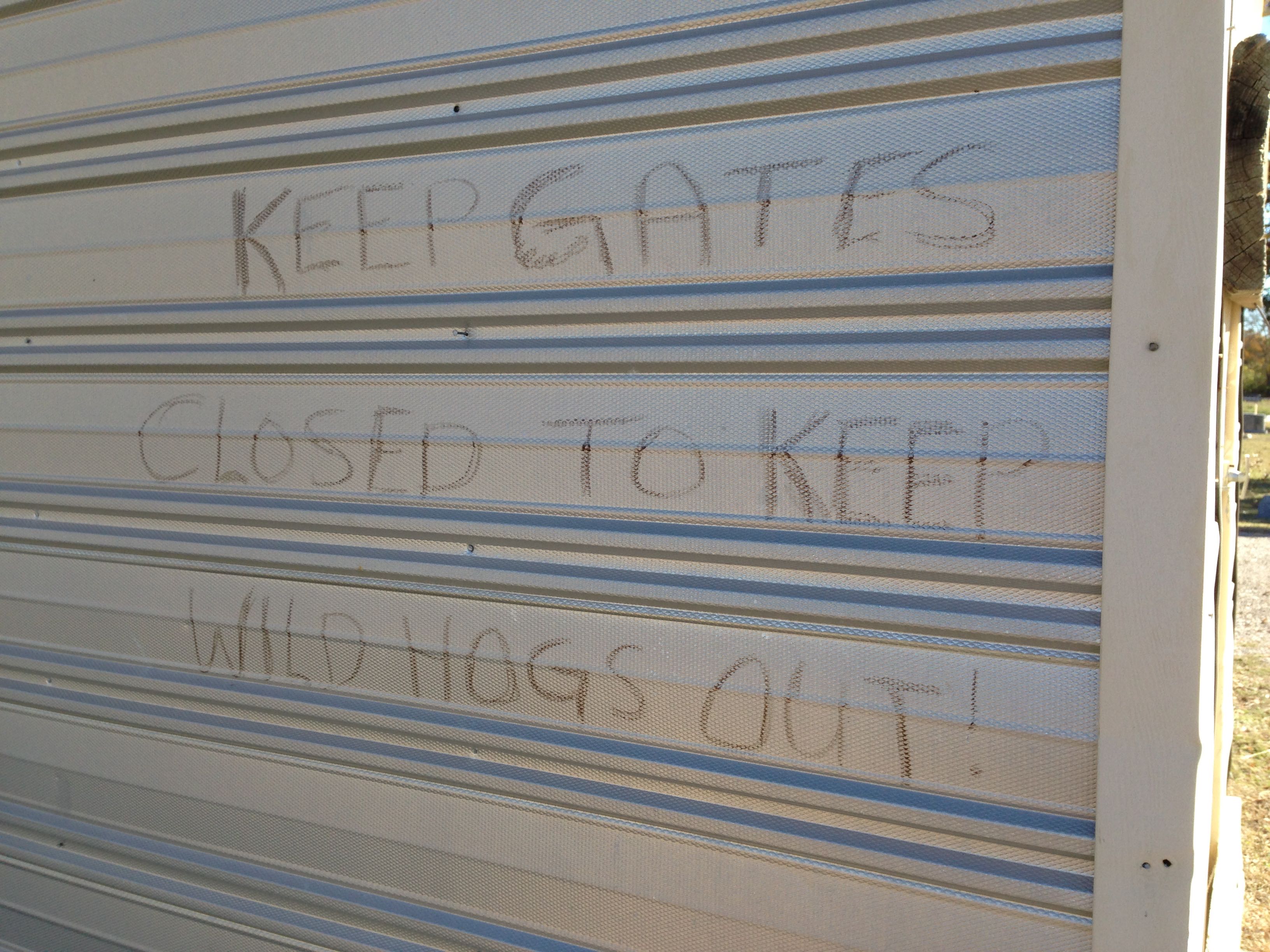
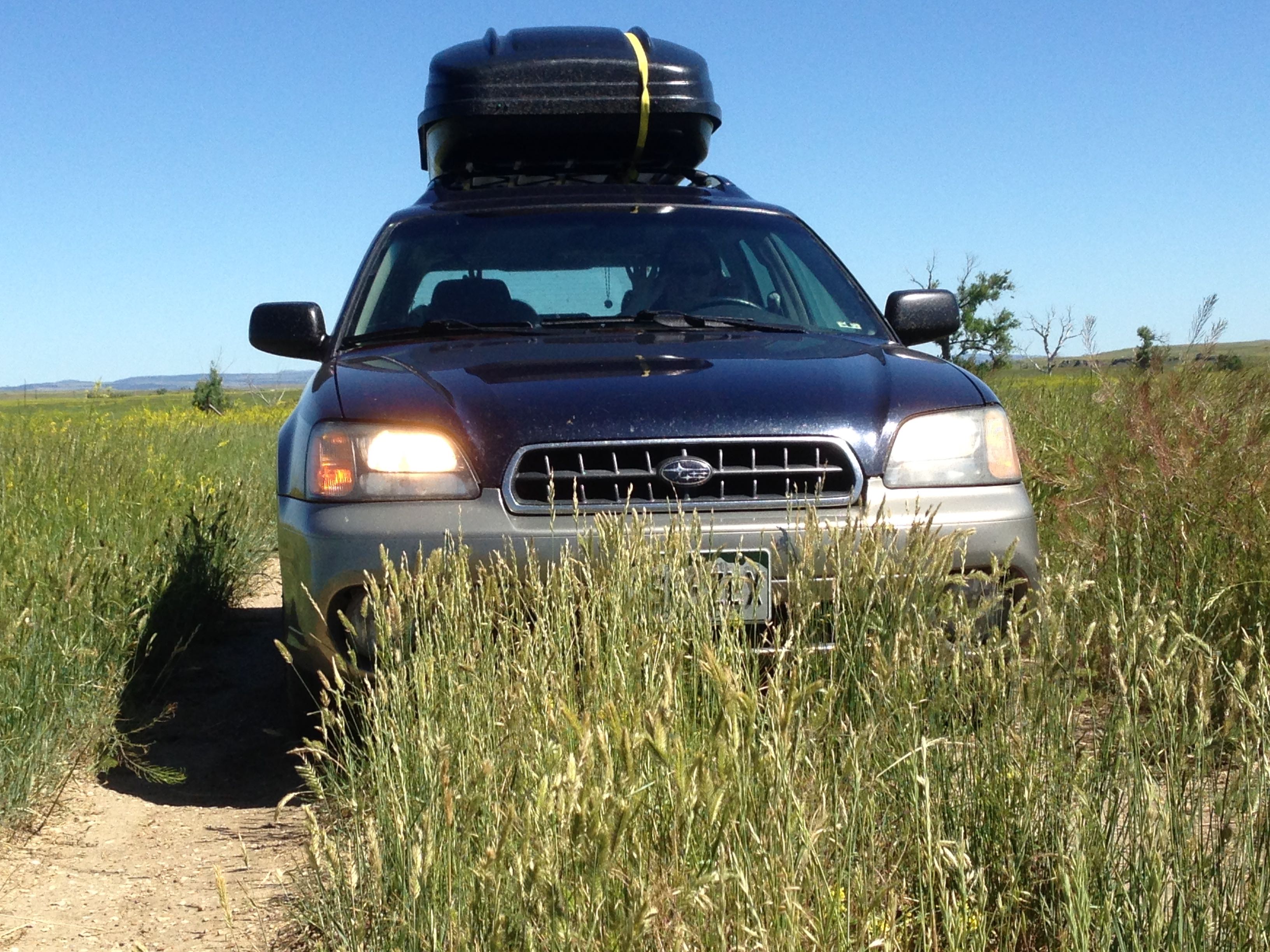
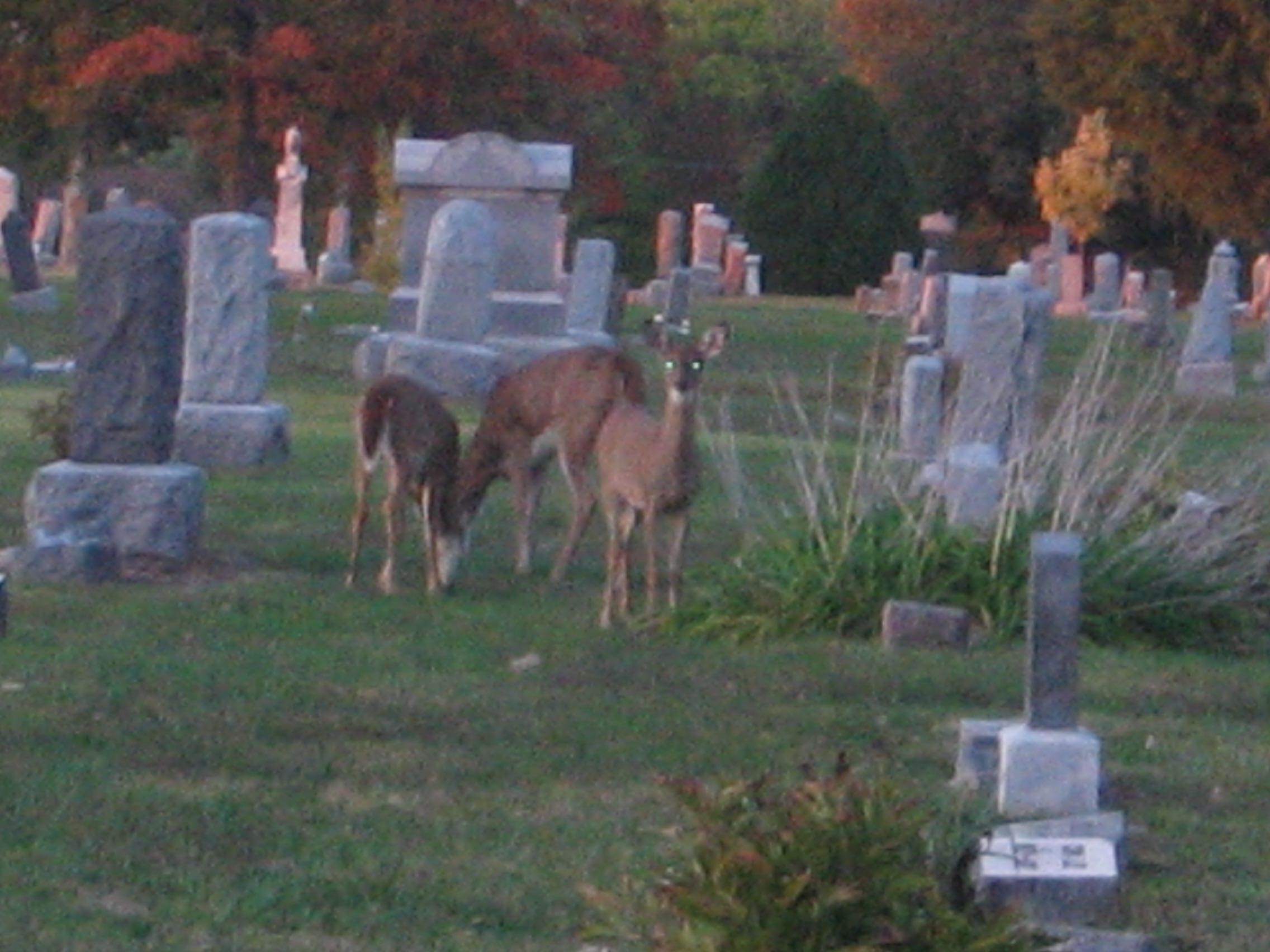
This is an excellent way to get out of the car and stretch your legs if you are on a long road trip. When we have time to take side roads, my husband and I like to visit the cemeteries that are more out of the way. Those are probably the more neglected cemeteries that don’t get photographed as often. Plus we have so much fun! Once we almost got stuck in the mud, even though we drive an all-wheel-drive Subaru. Another time, a thunderstorm whipped up so fast we got drenched. We’ve also encountered very tall weeds, trees engulfing the stones, angry birds guarding their nests, friendly ducks, tiny toads, turtles, snakes and evidence of wild boar.
Since we just moved, we have begun driving around the rural areas near us, to visit the cemeteries nearby and learn more about our new surroundings. Sometimes it’s a great reason to get out of the house and out into nature.
Some tips that we have discovered along the way to help your time in the cemetery be more fun or productive:
Many of these rural cemeteries are away from good cell phone reception. I often take a screen shot of the map and the page with the photo requests so that even if I can’t get cell reception, I still know where I’m going and who I’m looking for. (You’ll have to check with your personal phone model on how to do this, but it can be done.) Another option would be to print these at home and take the paper copies with you.
Wear pants and close-toed shoes, especially in the overgrown, weedy cemeteries. I am a fan of flip-flops, however, I have found myself in the weeds with possible ticks, snakes and burrs far too often. I know throw a pair of shoes to change into in the car. It can be very hot if you do this in the summer, but wearing pants rather than shorts is also recommended.
Stop at a gas station or rest area and use the facilities before you head out too far. It’s not cool to have to squat behind a bush or have to leave altogether to use the bathroom.
Take water and snacks. Like the above, it’s no fun to have to leave early because you are hungry or thirsty.
Exploring cemeteries has been one of the most fun and fulfilling activities that I have done to “give back.” You never know what you are going to find. Have fun out there!
If you’re a follower of me or my blog you know that I recently moved from Colorado to Texas. It has had its ups and downs.
Upside: no snow in winter. They keep telling me it gets “cold” and “icy” here but seriously. Until you’ve actually spent winter in someplace north (like Colorado, Ohio, Minnesota, North Dakota, New England…) I am going to snort at your definition of “cold.” No offense intended, I really understand that it is all a matter of perspective. However, I start to melt when it stays above 85 degrees for too long, so they’re going to snort at me when March or April rolls around and I’m complaining about the heat.
Downside: we have had two, yes 2, car accidents in about 3 months time, neither were our fault, both totaled the car. (It’s a longer story but I am trying to make a point here.)
Upside: new repositories, new cemeteries, new genealogical societies, new opportunities.
Downside: between unpacking, being out-of-town, having no car, and having a cold, I haven’t had time to go to any local society meetings yet.
Being at home more than I’m used to got me thinking about how we in the genealogical community can give back even if we aren’t attending a society or if we are unfamiliar with an area or even if we are stuck in our house due to weather, no wheels, or having a cold. The next few posts are going to examine, illustrate, discuss or review various ways to do this.
Plus, I’d love to hear your ideas and/or ways you do this already. I’m always looking for new learning or serving opportunities. Please leave a comment below.
Another year gone… How did that happen? They say time flies when you are having fun. I find it flies when you are busy. And 2014 sure was busy for me, many life changes and major projects happened for me. Now, looking forward to 2015 here is what I have planned:
Since I just recently moved to Texas, a state I know very little about and have almost no genealogical connections with, I plan on adopting a Texas ancestor or two and working on their family histories just so I can see first hand how Texas genealogy works. For fun, my husband and I walk cemeteries along with the Find A Grave app on our phones and photograph tombstones. We did this recently and I found some precious, hand-carved stones in a not very well-kept cemetery and I plan on looking those folks up, just to see who they were. Perhaps they will have their stories written. (Watch for blog posts on this one, I expect it to be fun!)
In line with the previous goal, I plan on finding and exploring the repositories here in the Austin area that are unfamiliar to me. I know of several but have only visited them virtually. For example, the actualPerry Castaneda Map Collection is only 29 minutes from my new home. I have visited the map collection many times online, but imagine visiting in person!
Make new genealogical friends. I plan on doing this by joining some new local societies. Some of my best friends are genealogists. And I’m sad I had to leave some of them when we moved, and I miss the opportunity to meet them for coffee and chat about our research.
Begin speaking locally be the end of 2015. I imagine I will make connections by joining societies and will likely be able to garner a few speaking “gigs” in the area.
Continue my genealogical education. I already have several opportunities in line for this. More and more online opportunities are happening every year making it much easier for those of use who can only travel so much per year, to still have contact with the wider genealogical community.
Write articles. I let this one “slide” last year. Well, maybe it got put on the back burner because of my portfolio. But I love to write and I want to get back to writing articles.
While working on my list of goals, an excellent post was published on the Evernote Blog by Michael Hyatt detailing an amazingly simple way to use Evernote to create your list of goals, detail why you want to achieve them, and track them. You can read the blog post here.
I think I’ll keep my goals “light” for this year and see what happens in my new surroundings. I am finding it difficult to make too many plans in this new location. I’m not entirely sure what is available, what needs there are in the community, who is “out there” already doing genealogical “things” and whether they want help or a different perspective. I am going to take this year to get used to my new location and make new connections. Then I can probably make better plans.
Perhaps I will do a six-month renewal of goals. Who knows?
At the start of 2014 I posted my goals for the year. They were pretty simple:
1. Get my BCG portfolio turned in (My deadline is December 15, 2014!)
2. Write at least 3 major articles (These are aside from those that may appear in my home society’s quarterly.)
3. Gain 1 new client per month
4. Speak/teach at least 12 times this year
I only fully accomplished one of those goals: the first one, turn in my portfolio. And in hindsight, I think that’s ok. The portfolio process is huge. I am not sure that anyone can quite describe how big it truly is. It is like when we got pregnant with our first child. People said “Oh your life will never be the same.” Or “you will never really have time to yourself for the next 18 years.” (Really helpful, by the way.) We quickly found out that they were right, but I truly think there’s no way to know just how right they were BEFORE we had babies. There are just no words to describe the enormity of it. I feel that same way about the portfolio, well almost. People told me it would be a challenge, but I didn’t understand really, just how much of a challenge, until I did it. Just like babies.
As for the other goals. Here is what I actually did:
I did not write any articles for major publications, but I did write a new guide: Legacy QuickGuide™ “Obituaries in Genealogy: A Research Tool,” June 2014. I also wrote a new course for the National Institute for Genealogical Studies which is slated for release in 2015.
I gained 2 new clients, for small projects, which is ok because of goal number one.
I gave 7 lectures in 2014. I had at least 5 more scheduled but since we ended up moving to Texas in September, I had to cancel those.
I also moved my entire household (well the movers did most of it), husband, children, pets, belongings, and so on, from Colorado to Texas. And just to give you a little context, I had only been to Texas a total of 2 times before we decided to move! That alone has “challenge” written all over it. Just getting to the grocery store was a “challenge” for the first few weeks. Not to mention finding new doctors, dentists, boy and girl scout troops, school, favorite coffee shops (still haven’t found it), favorite breakfast spot (still working on that one too), and of course a new genealogical society to call home.
Even though on “paper” it looks like I didn’t do much this year, believe me, it has been a whirlwind!

 It just wouldn’t be right if I got this list out in January, or even before the new year started, now would it? Here are the genealogical events I plan to attend in 2015. This year’s schedule is light because of my recent move but I am networking and working at getting into the speaking rotation here locally (Austin, TX area) but for now, only a few lectures are planned this year so far. I do hope to see some of my friends and colleagues at some of these exciting events!












 Genealogy Pants